How the Record Plant-Plant Studios Archive Was Built
The story of a list, its tools, and the breakthroughs that made it trustworthy.
By Tom Proctor
Every list tells a story, don't it? Anyone can post names and dates on a web page and they do! I built this archive with honest ambition over many months, and the method kept changing. It's a vexing task, even with the powerful tools we have now. There's a learning curve that's appreciable, for you and your friend Claude. This page tells some of that story, including the mistakes that taught me. This speaks to the methods, not just the finished list. As the history of AI unfolds, we're at an interesting time where pushing a button doesn't solve much, but the tools that are showing up that we're just learning how to use...well, they are serious game changers.
The list starts with people
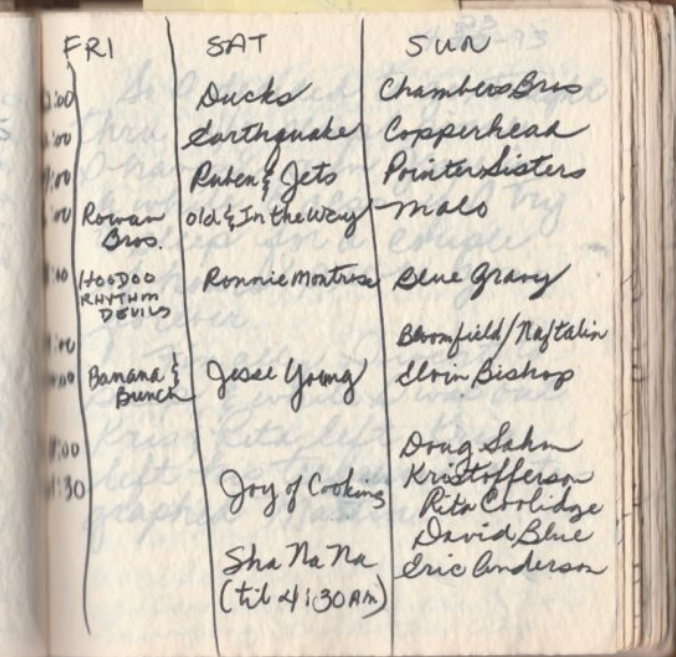
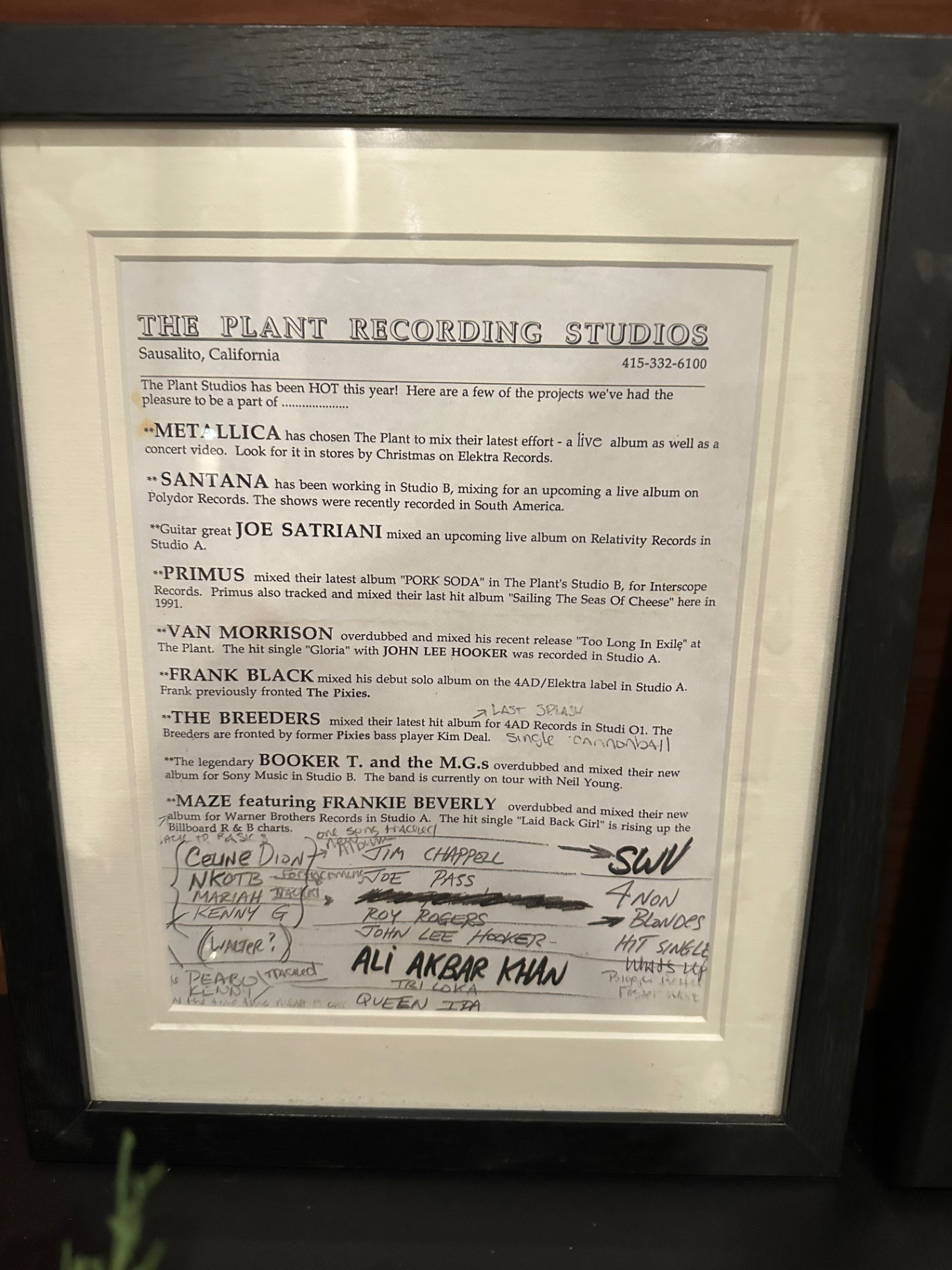
The archive rests on firsthand knowledge, never on casual guesswork. Martin Porter and David Goggin spent over ten years documenting this history. Their book Buzz Me In gathered interviews, photos, and primary accounts. The KSAN broadcast list comes from Raechel Donahue's own notebook, shared by Martin Porter. Tom Flye, the original chief engineer, anchors the studio session record. The 1993 Plant client newsletter, a framed original, named 25 sessions directly from the studio's own records. The Our Sausalito discography article contributed 89 entries, the largest single source in the archive.
A humble beginning
The first version held seventy-six names from earlier research files. I pulled them from old notes and scattered web lists. Those lists helped, but each one carried errors and gaps. Dates conflicted, names got misspelled, and studios got mixed up. The idea of creating a comprehensive list seemed far off. I needed a way to test every claim against real evidence if this was going to have a chance. Back in the day there was a lot of cold, hard research ahead, a labor of love that likely would crap out somewhere on the way.
Building the engine
So I built custom AI tools wired straight into an Airtable database. The Claude Opus 4.8 tool searches, disambiguates, collates, (whips and purees) and compares at a scale that's startling. Disambiguation means deciding when two listings describe the same event. A 1973 Montrose broadcast appeared under four different titles online. The tools match dates, venues, lineups, and reel numbers to merge them. The machine drafts each record, and I still make the final call.
The breakthrough: not all sources are equal
Early on, I treated every upload as roughly equal evidence. That was the mistake, and one recording exposed it fast. An Old and In The Way broadcast sat filed under Jerry Garcia. The label was wrong, and a careless pass would have missed it. I realized I needed to weigh provenance, not just collect links. That's when the etree standard changed the whole way I work. etree.org is the community that set the rules for trading live recordings. Its taping culture demands documented lineage from the source reel forward. You can see exactly how a tape traveled from microphone to file. That lineage tells me whether a recording is real and clean. The Live Music Archive on archive.org carries much of the etree catalog. Adding the etree parameter was the single biggest leap in reliability.
Where I look now
Today every event runs through the same ordered ladder of sources. The etree world sits at the top, lossless and well documented. I check db.etree.org and the Live Music Archive on archive.org before anything else. archive.org is the backbone here — it hosts the Live Music Archive, mirrors the etree catalog, and preserves the recordings themselves so links don't rot. Next come the Guitars101 collector trees, which mirror many broadcasts in lossless audio. Then YouTube, official reissues, setlist.fm, Discogs, MusicBrainz, and newspaper listings. Studio sessions lead with Discogs and MusicBrainz, since the output is a release. I persist through alternate spellings, supporting acts, and venue variations. I never stop at the first hit, because the second source often corrects it. For each event I save the best source and a second-best backup. If one link rots, the alternate keeps the record alive.
Recording the texture
A bare confirmation was never enough for a real census. So each record captures the kind of recording it actually is. I mark whether it's audience, soundboard, FM broadcast, video, or official release. I note quality too, lossless or lossy, complete or partial. A soundboard tape and a phone recording tell very different stories. Those details let a listener judge the source before pressing play.
Catching the fakes
The web is full of confident uploads that quietly lie. One Butterfield item on the Internet Archive spliced in non-KSAN Boston tracks. A casual listener would never notice the seam in that file. I flag splices, mislabels, and rebroadcasts directly in the record. Provenance cautions protect the archive from inheriting other people's errors.
Beyond KSAN
The live broadcasts didn't end with KSAN in the 1970s. KFOG carried Plant sessions on the air through the 1990s. David Crosby, the Cranberries, Boz Scaggs, and Little Feat all aired live. The archive follows the broadcasts wherever the signal actually went. Studio sessions run alongside them, from Sly Stone to Metallica.
What you can see
The page shows you what I could confirm, entry by entry. A linked entry means I located an actual recording and checked it. You can click straight through to the best source I found. An entry without a link is attested but not yet located. Those come from the notebook and primary accounts, awaiting a tape. The Type label tells you the broadcast or session it belongs to. Behind the page I track tighter detail on every record. I note conflicts, provenance, and source quality in my working files. When sources disagree, I hold the entry rather than guess.
A list that feeds itself
The archive keeps growing because research keeps surfacing new shows. One verified setlist often names a second broadcast I hadn't logged. A reissue's liner notes can point to two more dates. Each event's footprint names its neighbors, so the work feeds itself. I park every new lead in a discovery queue so nothing slips. Then I work the queue down, one full pass at a time. That's why the count climbed from seventy-six to more than four hundred.
Where the census stands now
The first full pass is done. The archive holds 427 records, 426 confirmed complete. Studio sessions make up the larger part, at 315 entries. Live broadcasts account for 104, with 65 linking to playable audio. The session side covers albums, singles, and overdub dates documented from release credits and primary sources. The broadcast side follows every signal the Plant sent out, from KSAN in the 1970s through KFOG in the 1990s.
Why this matters
I built this page so the method stays open to scrutiny. You can check my sources and challenge any call I made. Every located recording links to the best source I found. If you spot an error, the archive's contact form lets you correct it. A real census improves in public, and this one is built to.
- KSAN broadcast entries sourced from Raechel Donahue's notebook, courtesy of Martin Porter.
- etree.org — live recording community and provenance standard
- Internet Archive — Live Music Archive
- Running the Record Plant — KQED Arts oral history
- Museum of Performance + Design, San Francisco