Chapter 4 — Club Fed, 1977 to 1987
Federal agents, a piano, and the only government-run recording studio in American history.
By Tom Proctor
In July 1977, Gary Kellgren drowned in the swimming pool at his Hollywood home. His girlfriend drowned alongside him trying to save him. He was 38. The loss reverberated through every Record Plant location, but Sausalito kept working — the bookings were full, the staff was tight, and the rooms had a reputation that carried on without him.
Chris Stone eventually sold the Sausalito Plant to Laurie Necochea, a young music fan who had followed the studio closely. She died in 1984, and the building passed to Stanley Jacox the same year.
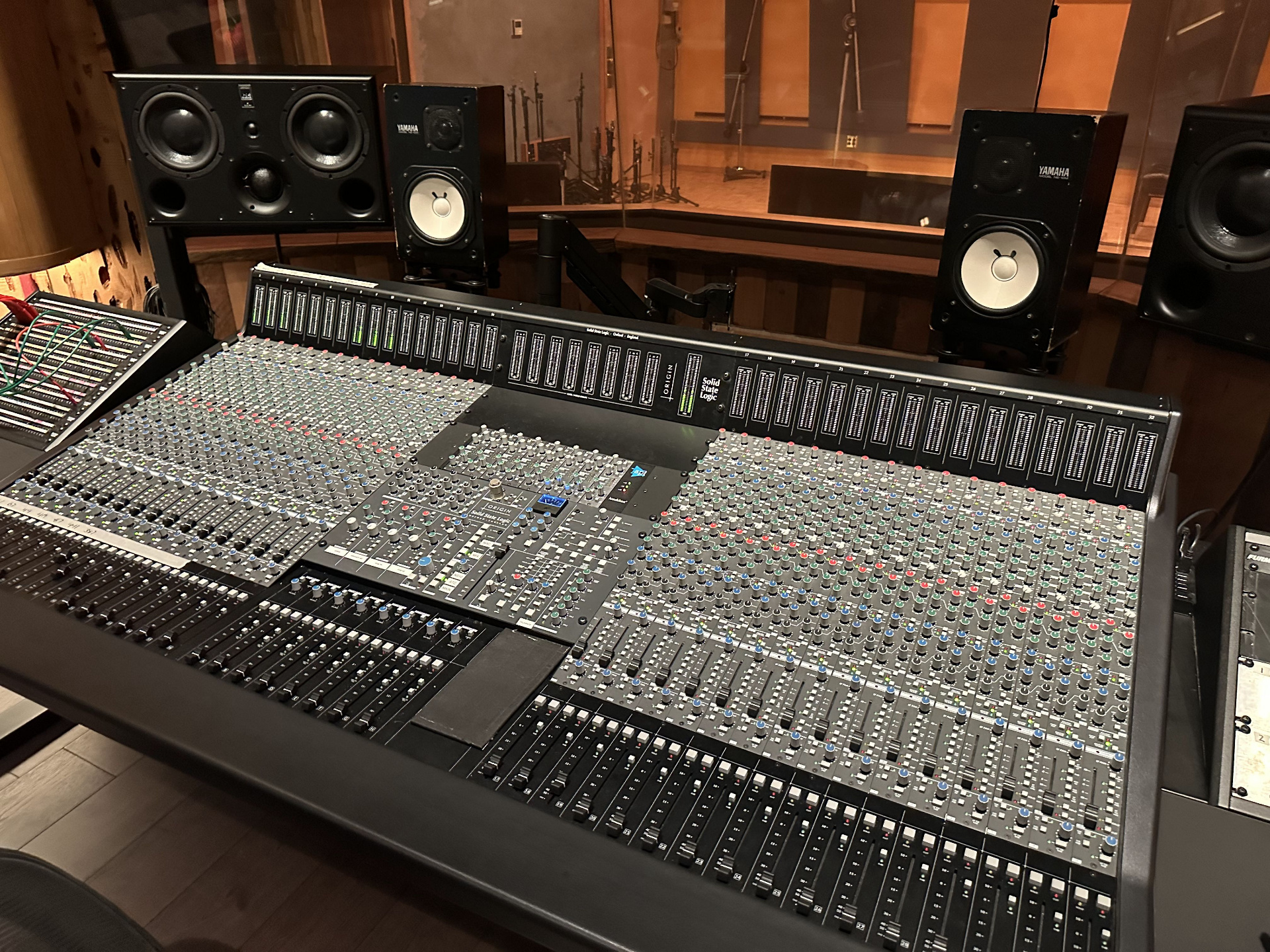
Through these transitions the rooms stayed busy. Engineer Jim Gaines converted the former Pit into a proper recording room. John Fogerty called looking for a private space to record alone, playing every instrument himself; Centerfield was the first album cut there. There were days when Gaines had Starship in one room, Huey Lewis in another, and Fogerty in the third. From the outside, 2200 Bridgeway looked like one of the busiest studios on the West Coast.
From the inside, something else was happening. Stanley Jacox had been connected to the Sacramento drug world in an earlier chapter of his life, washed his hands of it, and bought the Record Plant as a legitimate enterprise. The financial patterns told a different story. A federal investigation that began with a meth operation discovered beneath a house in rural Lincoln, California eventually traced the money to Sausalito.
DEA Special Agent Richard "Dick" Margarita had been building the case for months and was in no hurry — until the U.S. Attorney scheduled a meeting with Jacox's lawyer to disclose that the government intended to seize the studio. Margarita knew what would happen next. Jacox would be on a plane — and Margarita believed Brazil had no extradition treaty with the United States. He drafted emergency warrants overnight and had signatures by 9 a.m.
He drove to Sausalito before dawn on September 12. In the car, he told the rookie agent at the wheel to find something on the radio. A song came on he had never heard before — "We Built This City" by Starship, recorded in the very building he was about to raid. He turned to the driver and said: "I think we're going to have a good day today."
Before agents reached the front door, someone bolted from a side exit, jumped into a two-seat Mercedes, and drove hard down the road. Margarita gave chase. He found the man at a payphone — well dressed, visibly shaken, and on a call. He pulled him off the phone and asked what he was doing there.
It was Steve Perry of Journey. Margarita did not recognize him. Perry never forgot the encounter.
Back at the studio, the agents froze. They had expected a warehouse. Instead they found one of the most advanced recording environments in the world — consoles the size of cars, rooms wired together in a system they did not understand. Margarita's supervisor made the call that saved everything: get a locksmith, change the locks, and do not touch a single wire.
Jacox arrived later that day. An agent shadowed him and overheard him screaming at his lawyer on the phone: "If you'd met with that U.S. Attorney a week ago, I'd already be in Brazil."
Margarita had what he needed. He pulled Jacox into a room where a Yamaha grand piano sat in the corner — the same instrument Stevie Wonder had used during the Songs in the Key of Life sessions years before. Margarita sat at the bench, lit his pipe, and played the opening bars of "Raindrops Keep Fallin' on My Head."
He finished and looked at Jacox.
"Does that song mean anything to you, Stan?"
Jacox looked at him. "Yeah — that's 'Raindrops Keep Fallin' on My Head.'"
"Exactly."
Margarita stood, reached into his back pocket, and placed the handcuffs on Stanley Jacox's wrists.
No one else in the room knew it was coming.
News broke at five o'clock. Artists flooded the DEA demanding their master tapes. Margarita drove back and forth between Sacramento and Sausalito for days, opening safes and logging tapes for some of the most valuable recordings in American music.
Then the phone rang. A musician demanded the studio reopen. He said his album was unfinished, that the sound could not be replicated anywhere else. He said four words: "Name your price."
It was Carlos Santana.
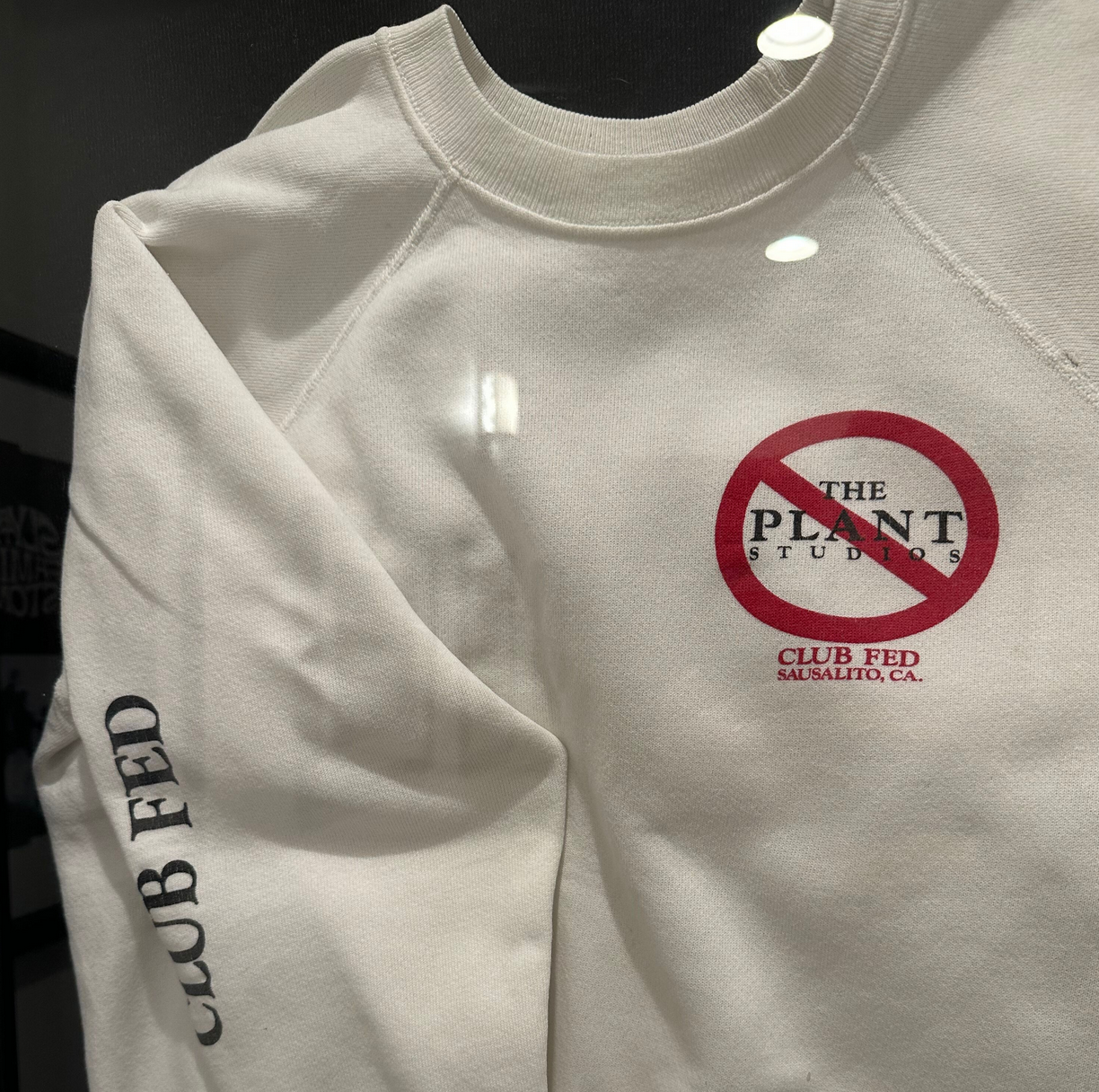
The Record Plant reopened under U.S. government control, with original staff retained to keep the sessions running. It operated for roughly fourteen months and generated close to three-quarters of a million dollars for the government. On the back of a Santana album recorded during that period, the liner notes included: Special thanks to Club Fed.
Jacox eventually pleaded guilty to a continuing criminal enterprise. The government later sold the Record Plant for approximately three-quarters of a million dollars.
2200 Bridgeway remains the only recording studio in American history to have been owned and operated by the federal government.
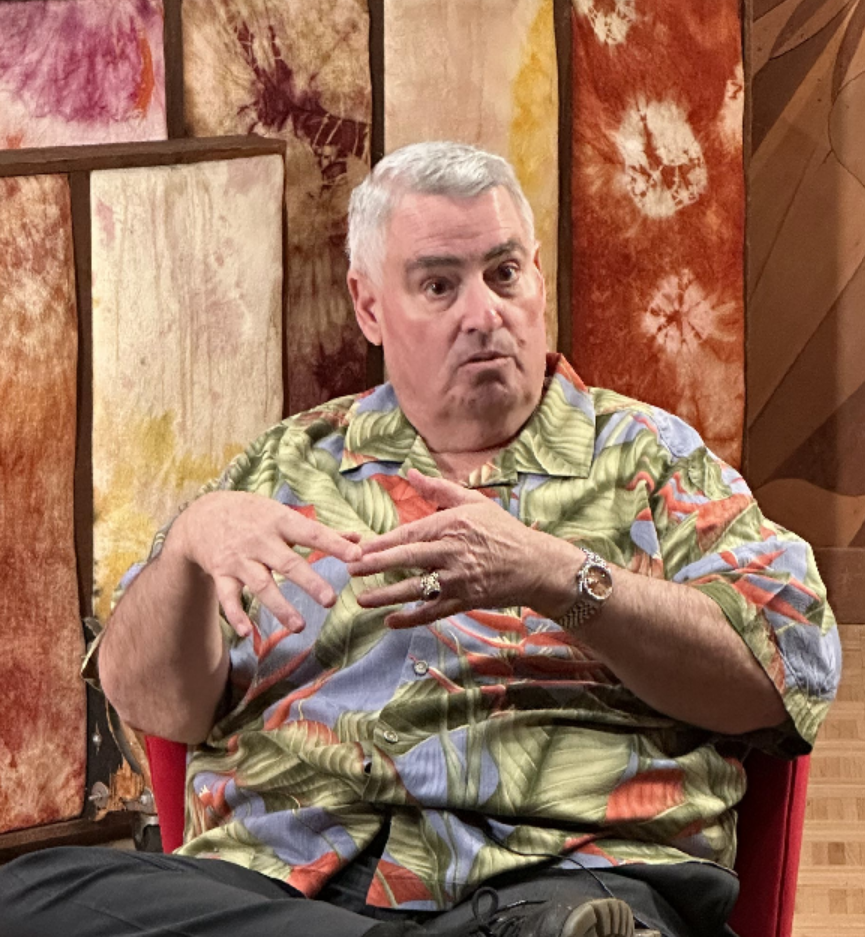
This chapter of the studio's history was documented in a 2025 interview with Dick Margarita, conducted at 2200 Studios. He described the case, decades later, as "phenomenal — not by critical design, more by slapstick comedy and a lot of hard work from a lot of guys." The full interview — including details revealed publicly for the first time — is the basis of a forthcoming documentary from 2200 Studios. Consider what you've read here a teaser.
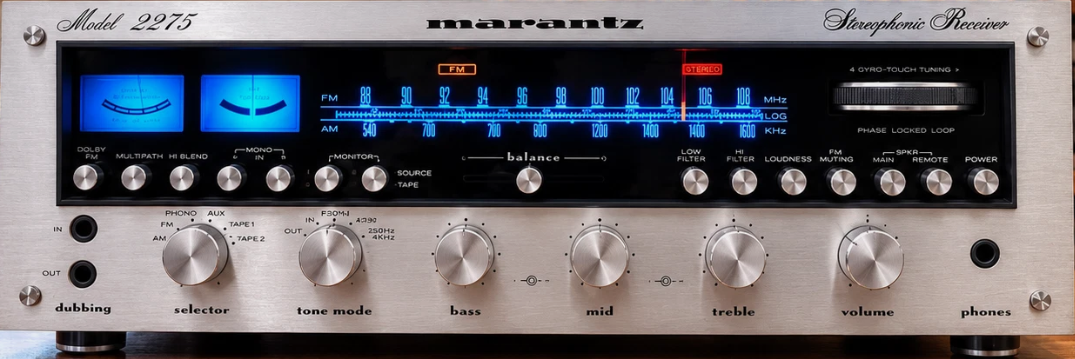
Plant Radio is dialed to stream 64 historic KSAN and KFOG broadcasts like Steve Miller, Fleetwood Mac, Bob Marley, Bonnie Raitt, Journey, Jerry Garcia, and many more surprises.
Turn on the radio