Chapter 6 — The Fallow Years, 2008 to 2020
The doors close, and Mick Fleetwood makes a pilgrimage to a shuttered room.
By Tom Proctor
After the last session ended in March 2008, the building at 2200 Bridgeway did not empty overnight. It changed gradually, in the way that buildings change when the purpose that defined them is removed but the structure itself remains.
Arne Frager sold the studio that year after eight years of personally subsidizing operations through the digital disruption that Napster had started and the industry had not yet found an answer to. "I ran out of the ability to use my own personal funds," he said. "Nobody's making any records there, and that's really what that building is for." He maintained the Plant Recordings Studios website and continued developing artists. The brand lived online. The rooms went quiet.
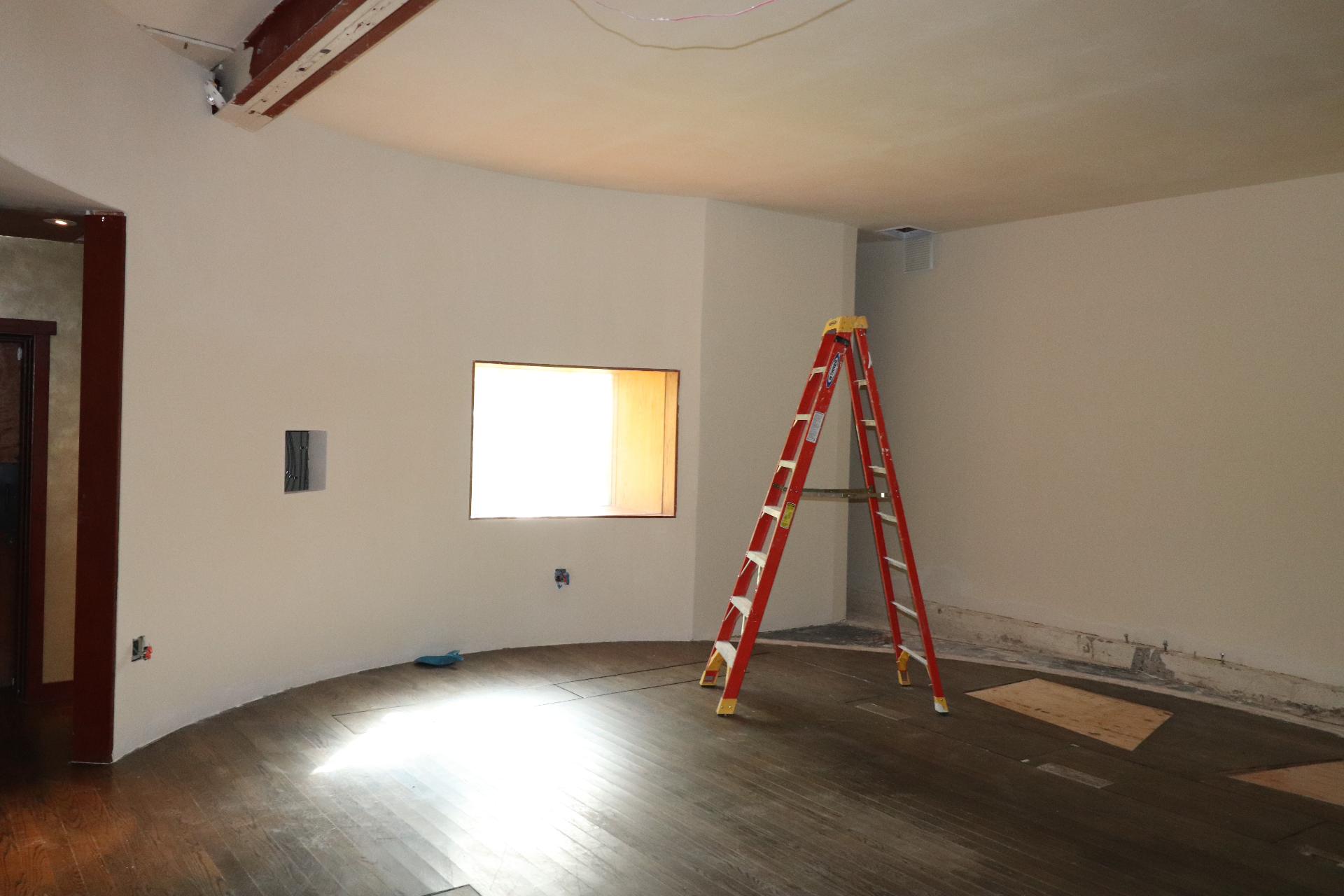
A health and wellness social club called Harmonia moved into part of the space. Architectural offices occupied another section. The 10,000 square feet that had once held some of the most sophisticated recording infrastructure on the West Coast sat subdivided and repurposed, its original function invisible to anyone who had not known what it once was.
Mick Fleetwood made a pilgrimage back. He had been a young man the last time he stood in Studio B tracking Rumours, and he returned decades later to find the building shuttered. The experience shook him. He filmed a short video at the entrance in support of preservation efforts and circulated it among people in the industry who cared about recording history. The sight of Fleetwood standing outside the locked door of the room where the best-selling album of his career was made became a quiet symbol for what the building represented and what was being lost.
Multiple groups attempted to acquire and reopen the studio through the early and mid-2010s. None succeeded. The building remained in a holding pattern — not demolished, not restored, somewhere between a relic and a possibility.
Around 2017, Rumours engineer Ken Caillat began organizing a more serious effort. Caillat had been in Studio B for more than 3,000 hours of Fleetwood Mac sessions. He still held the original multitracks of the album. He described the potential of the room clearly: "How cool it would be to duplicate that setup, with the exact same instruments." He joined with Frank Pollifrone and Kevin Bartram of the Marin Music Project to form a partnership, line up investors, and attempt a purchase.
Their vision was not a museum. It was a working studio with a preservation mandate — every square foot thought through and used. They were still working toward it when the deal that would eventually become 2200 Studios came together.
In 2018, the Broadway play Stereophonic — written by David Adjmi and set in a 1970s California recording studio during the making of an album that bore a strong resemblance to Rumours — began its path to production. The play would go on to win the Tony Award for Best Play in 2024. It was set, in spirit if not by name, in rooms very much like Studio B at 2200 Bridgeway. The cast party for the production would later be held in that room itself.
The building waited. The redwood siding held. The cloud ceiling in Studio B stayed intact above the wellness club below it. The sunburst in Studio A collected dust but did not fade.
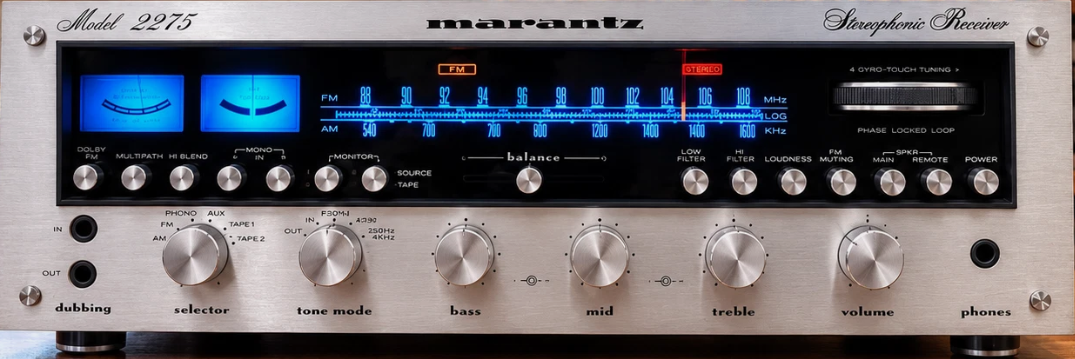
Plant Radio is dialed to stream 64 historic KSAN and KFOG broadcasts like Steve Miller, Fleetwood Mac, Bob Marley, Bonnie Raitt, Journey, Jerry Garcia, and many more surprises.
Turn on the radio