72 Hours at the Record Plant: KSAN's First Live Weekend
June 29–July 1, 1973 — KSAN Broadcast, Record Plant Sausalito
By Tom Proctor
From June 29 through July 1, 1973, KSAN turned the new Record Plant into a three-day live room. Raechel Donahue's notebook preserves the schedule. The broadcasts started a format that would define the studio's public history.
On Friday, June 29, 1973, KSAN went live from a new room in Sausalito. It was not a remote pickup or a concert-hall broadcast. The signal came from the Record Plant at 2200 Bridgeway. Over the next three days, the station built a changing program around that room.
Raechel Donahue's schedule notebook preserves the weekend by day. It gives the event its shape without pretending to offer more than it does. The notebook records a three-day broadcast, its named acts, and the gaps where other names are no longer clear.
That matters because live radio from a recording studio was still unusual. KSAN manager Tom Donahue, Record Plant co-founder Chris Stone, and studio founder Gary Kellgren worked out how it could happen. Raechel coordinated the traffic through the building and kept the program moving.
The weekend began with the Rowan Brothers, Hoodoo Rhythm Devils, and Banana & the Bunch. Friday's page is spare compared with what followed. It reads like the opening of a room that would not settle down again until Sunday.
Saturday widened the program. Raechel's notebook names Ducks, Earthquake, Old & In The Way, Ronnie Montrose, Jesse Colin Young, Joy of Cooking, and Sha Na Na, among others. The entry for Sha Na Na runs through 4:30 in the morning.
Sunday brought another shift. Copperhead, the Pointer Sisters, Malo, Rita Coolidge, David Blue, and Eric Andersen appear in Raechel's notes. So do Blue Gravy, Bloomfield and Naftalin, Elvin Bishop, Doug Sahm, and Kris Kristofferson.
The names matter, but the article is not a roll call. The weekend shows KSAN using the Record Plant as a working public room. A studio built for recording albums became a place where Bay Area musicians, visiting artists, engineers, station people, and unplanned visitors could all move through the same signal.
One moment in Raechel's account gives the scale a human shape. During Kristofferson's performance, an unnamed visitor wandered into the studio. He sang a distorted line from "The Pilgrim," then walked out another door.
Nothing had to stop for him. The broadcast kept moving.
That was part of the point. The room was not sealed off from the city around it. KSAN was bringing the studio to listeners while the studio remained open to the people passing through it. Raechel's work was to make that looseness hold together long enough to reach the air.
The 72-Hour Concert has no single surviving recording that contains the full weekend. Its surviving evidence lives in individual sets, attached to separate artists and separate dates across the archive. Those recordings are the pieces that remain after the larger event passed.
The notebook supplies the frame. KQED's oral history supplies the consequence. KSAN began its Record Plant broadcasts here, with three days of live programming from a room that had only recently opened.
By Sunday night, the Record Plant was no longer only a studio. It had become a broadcast room.
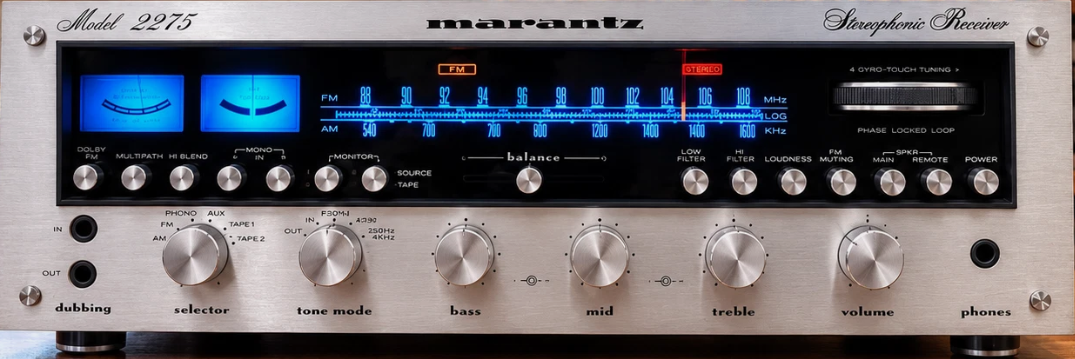
Plant Radio is dialed to stream 64 historic KSAN and KFOG broadcasts like Steve Miller, Fleetwood Mac, Bob Marley, Bonnie Raitt, Journey, Jerry Garcia, and many more surprises.
Turn on the radio- Raechel Donahue schedule notebook, Record Plant Sausalito archive.
- KQED, KSAN: The Making of a Radio Revolution oral history collection.
- KSAN Live at the Record Plant — parent index.