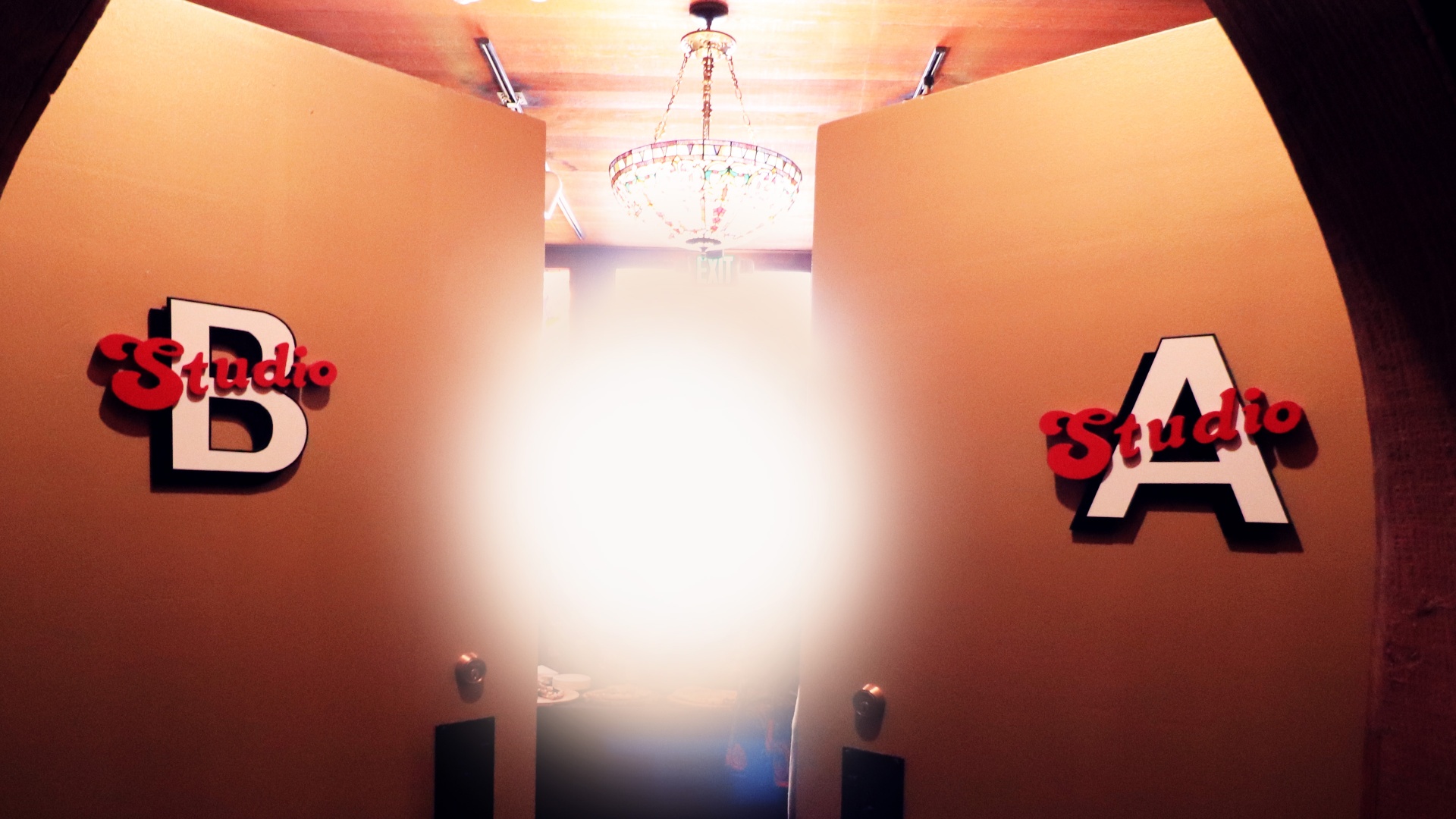
KSAN Live at the Record Plant
By Tom Proctor
This is the most complete and definitive list of KSAN's live broadcasts from the Record Plant in Sausalito. Every show here is researched, verified, and sourced. Where a recording survives, it's linked. Where only a paper trail survives, that's stated plainly.
Collectors have argued for years over what aired, when, and whether a tape exists. This list answers those questions broadcast by broadcast, and flags the few that are still open.
Tom Donahue and the station that changed radio
Tom Donahue walked away from Top 40 AM and rebuilt FM radio in his image. He let albums breathe and let DJs trust their ears. The format went free-form, and KSAN became its home. San Francisco called the station “Jive 95” and made it their own.
Donahue saw the Record Plant as more than a studio. He started airing live performances straight from 2200 Bridgeway. The series ran mostly on Sunday nights under the name “Live From The Plant.” A small invited audience watched while the whole Bay Area listened in real time.
The room sounded better than most live records. Donahue introduced many of the sets himself, his voice opening the tape. He died in April 1975, and the broadcasts thinned after that. The window he opened was short. What came through it still astonishes.
Shows Donahue personally introduced on the air carry a “Donahue intro” tag below.
KSAN Live at the Record Plant
1973
- Old & In The WayMarch 2, 1973
Tom Donahue put Old & In the Way on the air on March 2, 1973 without a fiddle player. The broadcast captured the band as a quartet, still taking shape out of the informal bluegrass scene around Stinson Beach.
Tom Donahue put a nameless band on KSAN on April 21, 1973, billed as Ronnie Montrose and Friends. It was the band's first live performance and "Sam" Hagar's debut, months before the Montrose LP. It's a fantastic, energetic set. This date is possibly wrong, since Tom Donahue mentions Jessie Colin Young and Joy of Cooking coming up, which would place it at the 72-hour concert event in late June that year. So the date isn't fully confirmed. but worth a listen regardless.
Tom Donahue put Kris Kristofferson on the air on April 22, 1973, at his songwriting peak. Rita Coolidge and Doug Sahm guested, in the loose all-star spirit Donahue built around the Record Plant.
- Nick Gravenites & Blue GravyApril 22, 1973
Tom Donahue put Nick Gravenites and Blue Gravy on the air on April 22, 1973. Paul Butterfield guested on harmonica, and the broadcast is the band's only known live recording.
- Mike Bloomfield & Mark NaftalinApril 22, 1973
Tom Donahue put Mike Bloomfield and Mark Naftalin on the air on April 22, 1973. Two Butterfield Blues Band alumni played an acoustic reunion set during Bloomfield's Mill Valley retreat.
- The Sons of ChamplinJune 17, 1973Donahue intro
The Sons of Champlin formed in Marin County in 1965. On June 17, 1973, KSAN put the band on the air from the Record Plant at 2200 Bridgeway, with Welcome to the Dance newly released on Columbia.
On June 24, 1973, Terry and the Pirates reached KSAN at the Record Plant twelve days after their first gig. The broadcast captures the founding lineup: Terry Dolan, John Cipollina, Greg Douglass, Hutch Hutchinson, and David Weber. Great recording.
John Cipollina left Quicksilver Messenger Service in 1970 and formed Copperhead in 1971. The band recorded one album for Columbia, catalog KC 32250. Then Clive Davis was fired, Columbia retrenched, and Cipollina later said CBS had threatened booking agents not to book them. The machinery that was supposed to launch the band went silent. Copperhead closed the Record Plant's 72-Hour Concert marathon on Sunday, July 1, 1973, sharing the night with the Chambers Brothers, the Pointer Sisters, and Malo, confirmed by Donahue's schedule notebook. Peter Sears, on bass, later joined Jefferson Starship. Copperhead dissolved in 1974. Cipollina died in 1989 at 45. Rolling Stone ranked him the 32nd greatest guitarist of all time.
- Hoodoo Rhythm DevilsJune 29, 1973
A Bay Area bar-rock fixture by 1973, booked on the marathon's first night alongside the Rowan Brothers. Raechel Donahue's schedule notebook places the set at the Plant, but no recording of it has surfaced.
Jerry Garcia, Merl Saunders, John Kahn, and Bill Vitt had been playing together since 1970, holding a weekly residency at the Matrix. On July 8 they came to the Record Plant and played a set for Tom Donahue and KSAN. Two days later, July 10 and 11, they played the Keystone Berkeley. Those shows were recorded and released as Live at Keystone in 1988, now considered one of the essential documents of Garcia's work outside the Grateful Dead. The July 8 Plant broadcast sits directly in that moment. One previously unreleased track from this set appears on Well-Matched: The Best Of Merl Saunders & Jerry Garcia (Concord, 2006). The full broadcast was officially released by Code 7/Teatro in 2021.
Elvin Bishop had left the Paul Butterfield Blues Band in 1968 and settled in the Bay Area. By July 1973 he had released three solo albums and was preparing his fourth, Let It Flow (1974), which reached the top 100 LPs. On July 8, the same evening Jerry Garcia and Merl Saunders broadcast on KSAN from the Record Plant, Bishop brought his group in for a separate set. The broadcast is described by collectors as suspiciously like pre-FM in quality. The full two-disc setlist is documented in the etree FLAC tree. Bishop's commercial peak came in 1976 with Fooled Around and Fell in Love. The KSAN broadcast predates that by three years.
Asleep at the Wheel formed in West Virginia in 1970 and spent two years in the Bay Area before moving to Austin in 1975. The July 19 KSAN broadcast came at the start of that California chapter. They had just released Comin' Right at Ya (United Artists, March 1973), their debut LP, recorded in San Francisco. Tom Donahue introduced the set. The classic lineup: Ray Benson, Leroy Preston, Chris O'Connell, Lucky Oceans on pedal steel, Floyd Domino on piano. The broadcast was officially released in 2021 paired with a 1980 Lone Star Cafe set. The band became the longest-running western swing band in American music.
- Robin TrowerAugust 11, 1973
Robin Trower left Procol Harum in 1971 and formed his power trio. His debut solo LP Twice Removed from Yesterday (Chrysalis, 1973) had just been released when he brought the band to the Record Plant on August 11, 1973. Bridge of Sighs, the album that would establish him as a headliner, came eight months later. The Hendrix comparison followed Trower constantly. Bridge of Sighs largely ended that conversation on its own terms, reaching No. 7 in the UK and No. 10 in the US. The Plant broadcast is the document of Trower working toward that record. James Dewar sang. Reg Isidore played drums.
- Kinky Friedman & The Texas JewboysAugust 19, 1973
Garcia and Ken Kesey were in the audience. The show was later released as Mayhem Aforethought. Friedman's satirical country-rock act was a perfect fit for the freewheeling KSAN audience.
- John FaheySeptember 9, 1973
John Fahey played solo acoustic guitar at the Record Plant for fifty-eight minutes on September 9, 1973. Tom Donahue put it on KSAN with no band, no PA, and no rock context. John's style was truly unique. His set here is very interesting. Check it out.
The Wailers hitchhiked to California after Sly Stone dropped them from the tour. Tom Donahue broadcast the Halloween night set on KSAN, and most of what became Talkin' Blues came from that room. This is the only BMW sessions at the Record Plant, and was a milestone recording that was instrumental in Bob's massive success.
- Doug Sahm & BandNovember 11, 1973
Doug Sahm had been everywhere by November 1973. He had fronted the Sir Douglas Quintet through the British Invasion, moved to San Francisco in 1966, scored a hit with She's About a Mover, and in 1973 recorded Doug Sahm and Band for Atlantic with Bob Dylan and Dr. John. Then he came to the Record Plant. The November 11 set included Augie Meyers on keyboards and Martin Fierro on horns. Fierro had played with Malo at the 72-hour concert and would later tour with the Grateful Dead. She's About a Mover and Mendocino each appeared twice. The full soundboard is on YouTube, excellent quality.
- Linda RonstadtNovember 18, 1973
Linda Ronstadt came to the Record Plant on November 18, 1973 on the Don't Cry Now tour. The album had just been released on Asylum. It included her cover of Desperado, before the Eagles made it famous, and three J.D. Souther songs. Heart Like a Wheel was still a year away. Richard Gossett introduced the set, not Tom Donahue — cutting in over Linda's rehearsal, audibly unscripted. Andrew Gold was on guitar in one of his earliest documented appearances with the band. Jeff Skunk Baxter and Jimmy Hodder, both fresh from Steely Dan, filled out the lineup. The sixteen-track broadcast has been reissued on Spotify and Amazon in multiple editions.
- Bonnie RaittDecember 9, 1973
By December 1973 Bonnie Raitt had released three albums on Warner Brothers and was critically admired and commercially patient. Her commercial peak came with Nick of Time in 1989, sixteen years away. The December 9 Plant broadcast is Raitt in the middle of that long build. She was one of the few white women playing Mississippi Delta blues in the early 1970s, drawing directly from Sippie Wallace, who became a mentor. Women Be Wise, a Wallace song, closed the set. Tom Donahue introduced. The broadcast is named in Richie Unterberger's Record Plant history as a featured KSAN artist. Multiple remaster editions are on Spotify and Deezer.
- Butterfield's Better DaysDecember 30, 1973
Paul Butterfield dissolved the Butterfield Blues Band in 1971 and assembled Better Days in Woodstock with Amos Garrett, Geoff Muldaur, Ronnie Barron, Billy Rich, and Chris Parker. Geoff Muldaur said at the time: 'We're the only band around playing rooted American music.' He was right. Better Days was drawing from Delta blues, New Orleans R&B, and early country before any of those threads had been labeled. They played the Record Plant on December 30, the last broadcast of 1973. The set was officially released by Klondike as Take Your Pleasure Where You Find It. The Internet Archive item splices in a Boston broadcast after track ten — the Klondike CD is the clean source.
- Steve Miller BandJuly 1, 1973
KSAN aired Steve Miller from the Record Plant on July 1, 1973, with “The Joker” in the set three months before Capitol released it and it's so great to have a recording of this quality. The 15-song broadcast opens on a “Fly Like an Eagle” tease inside “My Dark Hour,” three years before that title reached a record. It's classic Steve Miller from end to end with Kow Kow, Living in the USA, Seasons and the Joker as Steve was just gaining prominence. Steve jokes about the amazing party going on in the other room, and that he never knew radio could be so loose.
1974
- Hugh MasekelaFebruary 24, 1974
Fourteen years into exile, Hugh Masekela had traveled from Johannesburg to London to New York to Ghana, building a jazz and Afropop career while apartheid held his country. By February 24, 1974, he was recording in Accra with Hedzoleh Soundz, a Ghanaian group that pushed his sound toward something rawer and more African than anything he'd made before. He brought them to the Record Plant that night. The KSAN broadcast caught that collaboration live. The full set runs about sixty-three minutes across seven tracks: Rekpete, Patience/When, Languta, Stimela, Nye Tamo Ame, Omusu Da Fe M'musu, Love Song for a Jungle Afternoon. One of them was Stimela, his anti-apartheid anthem about migrant workers pulled from their homes to ride the South African coal trains. The song documents a specific brutality: men leaving families for the mines, their lives reduced to labour. This broadcast caught it in one of its earliest known live performances. Tom Donahue's KSAN was one of the few places in American radio that would air a set like this in 1974. The broadcast was later issued on LP as Hugh Masekela Live At The Record Plant, 24th February 1974, a grey-market reissue with full liner documentation.
- Jimmy BuffettFebruary 19, 1974
His album Living and Dying in 3/4 Time had shipped that same month on ABC/Dunhill. His first two records hadn't charted. Jimmy Buffett was twenty-seven, touring small clubs and radio sessions across California and the South, and the Coral Reefers didn't exist yet. Margaritaville was three years away. The February 19, 1974 set was solo acoustic, Buffett alone with a guitar, heavy on storytelling between songs. He drew from Living and Dying and his debut. One performance stood out: an early version of A Pirate Looks at Forty, with lyrics slightly different from the album cut released that December on A1A. This broadcast is one of the earliest known live documents of that song, captured months before it entered the Buffett canon. Tom Donahue's KSAN platform gave him an audience before radio had discovered him. The full broadcast runs about sixty-one minutes across eleven tracks and circulates in excellent audio from the Wolfgang's Vault archive. buffettworld, the authoritative Buffett fan archive, notes that February 19 was likely the broadcast date rather than the session date, with the exact recording date uncertain.
Their self-titled debut had gone gold on Capricorn earlier that year, built on a blend of country, jazz, and Southern rock that didn't fit any existing category. Tom Donahue introduced the Marshall Tucker Band to a room with maybe ten people in it on May 8, 1974. Toy Caldwell did most of the talking between songs. The set runs seven tracks: Hillbilly Band, Another Cruel Love, Can't You See, 24 Hours at a Time, Ramblin', Take the Highway, Everyday (I Have the Blues). Can't You See was already the song that defined them, Caldwell's open-tuned slide guitar and Doug Gray's vocals carrying it through a room small enough that you can hear the air. The broadcast caught the band at the peak of their debut momentum, before the follow-up records and the arena years changed what they were. The full broadcast was later remastered and issued on CD as Live at the Record Plant by Klondike in 2015, with liner notes and rare photos. The original FM recording circulates in excellent quality on YouTube and through the Guitars101 lossless tree.
White Punks on Dope was already in the set. The Tubes arrived on June 2, 1974, a year before their A&M debut and at least three years before anyone outside San Francisco fully understood what they were doing. They were a theatrical rock band with a satirical edge and a live show that made promoters nervous. Tom Donahue introduced them. The June 2 broadcast is the earlier of two KSAN Record Plant appearances the band made in 1974. A second session followed on November 21. This one catches them still working things out, songs in various states of completion, the band finding the shape of material that would define their debut. Prairie Prince was on drums, the same Prairie Prince who had just finished sitting in with Journey three weeks earlier at the same studio. The broadcast was issued in 1979 by TAKRL/Kornyfone as Rock & Roll Hospital, the Tubes' second bootleg release. The full session circulates today on Internet Archive in excellent quality, documented by Past Daily from the Gordon Skene Sound Collection. Al Kooper, who produced the Tubes' 1975 A&M debut, also recorded his own KSAN session at the Plant that October, making the Record Plant a recurring backdrop for the band's pre-fame years.
- Ry CooderJuly 7, 1974
Paradise & Lunch had landed that spring on Reprise, drawing on gospel, blues, and pre-war Americana with a production clarity that set it apart from everything else on the radio. It was Ry Cooder's third album and the one that began to build his reputation as something more than a session guitarist. He brought that record to the Record Plant on July 7, 1974. The KSAN broadcast runs thirteen tracks: Police Dog Blues, FDR In Trinidad, If Walls Could Talk, Tamp 'Em Up Solid, Ax Sweet Mama, Billy The Kid, Vigilante Man, How Can a Poor Man Stand Such Times & Live, Tattler, Comin' In On A Wing & A Prayer, Alimony, Teardrops Will Fall, I'm A Pilgrim. The personnel on the Pre-FM master notes list Cooder on guitars, vocals, and mandolin, with Russ Titelman on bass, Jim Keltner on drums, Milt Holland on percussion, and Bobby King, Gene Mumford, and Cliff Givens on backing vocals. Wolfgang's Vault lists a slightly different lineup; the touring configuration is better supported. The broadcast circulates in excellent stereo from the Internet Archive. A grey-market remaster and an unofficial CD called Broadcast From The Plant have also circulated, both bootleg-tier. The date is confirmed across all major sources; a competing etree listing of July 23 is catalog scatter.
- Link WraySeptember 25, 1974
Twenty years after Rumble made him one of the architects of rock guitar and nearly got him banned from radio, Link Wray was fifty-one years old, working with a stripped trio, recording the kind of raw country-blues he'd retreated into after his commercial peak. The lineup at the Record Plant on September 25, 1974 was Wray on guitar and vocals, David Weber on drums, and Les Lizama on bass. The KSAN broadcast is one of the better-documented Wray recordings from this period. The full session circulates on Internet Archive with confirmed date and personnel. A date discrepancy was resolved during census: the row previously carried 1973-09-25, but every surviving tape and source dates the recording to 1974. If the notebook shows a 1973 entry for Wray, that represents a separate appearance to investigate.
- Graham Central StationOctober 3, 1974
Larry Graham had left Sly & the Family Stone in 1972 and built something harder and more focused around his own bass playing, a sound that influenced every funk bassist who came after. Eight months after their debut and weeks after Release Yourself shipped, Graham Central Station played the Record Plant on October 3, 1974. Both records were made at the same studio. The lineup: Graham on bass and vocals, Hershall Kennedy on keys and horns, Robert Sam on organ, David Vega on guitar, Willie Sparks on drums, Patryce Banks on vocals. The set opens with an Introduction and the band's signature funk arrangement of the Star Spangled Banner. The full tracklist hasn't been extracted from the source. The broadcast circulates on YouTube in full audio. The year was corrected during census from a 1973 transcription error; the recording source explicitly labels it October 3, 1974, and the band's timeline confirms it.
- Al KooperOctober 23, 1974Donahue intro
He'd played organ on Like a Rolling Stone, founded the Blues Project and Blood Sweat & Tears, produced Super Session, and was currently producing Lynyrd Skynyrd's debut. Al Kooper was one of the most connected musicians in rock, and on October 23, 1974, he walked into the Record Plant alone, with a guitar and a piano. In a few months he'd produce the Tubes' first album, recorded in part at the same studio. The set runs eleven tracks: Brand New Day, Without Her (Harry Nilsson), Autobiography in 725 Bars, Sam Stone (John Prine), Just One Smile (Randy Newman), New Fashioned Love Song, Drown In My Own Tears, Don't Hang Up, I Can't Quit Her, Be Real. Tom Donahue introduced him. The session circulates via roio/BigO and the Past Daily/Gordon Skene Sound Collection. A grey-market release labeled KSAN FM Broadcast The Record Plant Sausalito 30th December 1974 appeared on the Scream label in 2020; the December 30 date is a broadcast date scatter, not the session date.
- Jimmy Buffett (with Jerry Jeff Walker)October 24, 1974
Eight months after his solo acoustic session at the Record Plant in February, Jimmy Buffett came back on October 24, 1974, and this time he brought Jerry Jeff Walker. Buffett was midway through a six-night run at the Boarding House in San Francisco, touring Living and Dying in 3/4 Time. Walker was along for the ride. The personnel on tape: Buffett on guitar and vocals, Roger Bartlett on guitar and backing vocals, Bob Livingston on guitar, mandolin, and backing vocals, Jerry Jeff Walker on guitar, piano, and backing vocals. Some sources list Coral Reefer members in the lineup; the Guitars101 Goody remaster notes explicitly identify that as misinformation. The set runs fifteen tracks across about sixty minutes, including A Pirate Looks at Forty, Pencil Thin Mustache, and Railroad Lady with Walker. The Internet Archive source dates the KSAN broadcast to October 24, 1974, during Buffett's documented October 22–27 Boarding House run; October 18 appears on some circulating copies but conflicts with his itinerary.
- Randy NewmanNovember 4, 1974
Good Old Boys had arrived that September on Reprise, a song cycle about the American South built around a character named Lester who was proud of things he shouldn't be proud of. It was Randy Newman's fourth album and the first to break him into the mainstream. He played it solo piano at the Record Plant on November 4, 1974, to a small room. Tom Donahue introduced him. The broadcast runs twenty-three tracks across about sixty-one minutes and circulates as a grey-market remaster titled Live At The Record Plant, Sausalito CA, Nov 10th 1974. That November 10 date is wrong; it propagated through the commercial release chain from a mislabeled copy. The etree Beanstalk genealogy dates the session November 4, and that's the date this row carries. The full audio is on Internet Archive.
- Pablo CruiseNovember 10, 1974
Three years before Whatcha Gonna Do? made them a household name, Pablo Cruise had no album and a lineup assembled from the ruins of two Bay Area bands. David Jenkins and Cory Lerios came from Stoneground, Bud Cockrell from It's a Beautiful Day, Steve Price on drums. They played the Record Plant on November 10, 1974, a year before their A&M debut. The setlist runs eight tracks: an instrumental, Island Woman, Tearin' Down My Mind, Zero to Sixty In Five, Ocean Breeze, When Will We Ever Learn, Not Tonight, and an extended Butterfly jam. Most would appear on the 1975 debut. The full broadcast was later remastered and issued commercially as Live At The Record Plant 1974 on the Echoes/Red River/Musea label. The best free source is YouTube.
- The TubesNovember 21, 1974
Five months after their June 2 session at the same studio, the Tubes had tightened. The November 21, 1974 set runs fourteen tracks: Overture, Space Baby, Malaguena Salerosa, Haircut, What Do You Want from Life, Poland Whole, Rock & Roll Hospital Intro, Rock & Roll Hospital, Rawhide Theme, Mondo Bondage, The Hip, Dip Boogie, For the People, Boy Crazy, White Punks on Dope. The A&M debut was still months away. The full broadcast circulates on Internet Archive.
- MontroseDecember 26, 1974
Ronnie Montrose on guitar, Sammy Hagar on vocals, Denny Carmassi on drums, Alan Fitzgerald on bass. The December 26, 1974 session turned out to be one of their most documented performances. The setlist: Intro, I Got the Fire, Rock Candy, Bad Motor Scooter, Spaceage Sacrifice, One and A Half, Roll Over Beethoven, Trouble, Space Station No. 5. It was their third KSAN appearance at the studio, following April 21, 1973 and October 27, 1974. Rhino/Warner issued it on the Paper Money deluxe edition in 2017, and Cherry Red included it on Disc 4 of the I Got the Fire: Complete Recordings 1973-1976 box set in 2022. The official YouTube upload from Rhino is the recording URL. Rights holder is Rhino/Warner.
- CaravanOctober 15, 1974
On their first American tour, Caravan were a Canterbury-scene band from England playing jazz-inflected progressive rock with a distinct British identity that didn't fit any American category. The full set runs about sixty-five minutes: Memory Lain Hugh, Headloss, For Richard, Virgin On The Ridiculous, Be All Right, Chance Of A Lifetime, The Love In Your Eye. The lineup: Pye Hastings on guitar and vocals, Geoffrey Richardson on viola, guitar, and flute, Dave Sinclair on keyboards, Mike Wedgwood on bass and vocals, Richard Coughlan on drums. The date is supported by Museum of Performance & Design Reel #439.
- Commander Cody & His Lost Planet AirmenFebruary 7, 1974
The circulating copy is a WLIR-FM rebroadcast from Long Island, not the original KSAN San Francisco airing — which is how a Sausalito session ended up documented by a Long Island FM station at around 224 kbps. The band had recorded two Warner Bros. albums at the same studio. Bill Kirchen was on guitar. The full set runs seventeen tracks: Lost in the Ozone Again, Don't Let Go, Give Tennessee Credit for Music, Willin', Four or Five Times, Southbound, House of Blue Lights, Kentucky Hills of Tennessee, Cajun Baby, Keep On Lovin' Her, Hawaii Blues, California Okie, That's What I Like About the South, Gypsy Fiddle, Big River, Too Much Fun, The Boogie Man Boogie. The February 7, 1974 date supersedes earlier 1975 listings. No official release of the broadcast has been located.
They had no album, no radio play, and a drummer borrowed from another band. Prairie Prince was sitting in from The Tubes while Aynsley Dunbar waited in the wings. The lineup on May 12, 1974 was Gregg Rolie on keyboards, Neal Schon on guitar, George Tickner on rhythm guitar, and Ross Valory on bass — a year before anyone outside the Bay Area knew who they were. The set runs eight tracks: Mystery Mountain, Topaz, It's All Too Much, In My Lonely Feeling/Conversations, Kohoutek, To Play Some Music, Of a Lifetime, In the Morning Day. Most of those songs would appear on the debut album. The broadcast caught them previewing their record before they'd made it, a working band workshopping material in front of a microphone with nobody telling them to hurry up. The date is confirmed by primary source. An Oakland Tribune Sunday Radio listing from May 12, 1974 shows Journey live from the Record Plant at 11 PM on KSAN. A setlist.fm entry dated May 27 is an error: May 27 was a Monday, and the series aired Sunday nights. The broadcast circulates in excellent quality, rated 9 out of 10 by collectors, and was partially issued on the bootleg CD Original Cut alongside 1976 Frankfurt material.
- Cold BloodJuly 2, 1974
Lydia Pense's voice was the strongest instrument in the room. Cold Blood was an Oakland band, part of the East Bay Grease sound that produced Tower of Power, discovered and signed by Bill Graham. By July 2, 1974, they were on Warner Bros., recording the Lydia LP, and the horn section hit like a freight train. The KSAN broadcast caught them at the Warner Bros. peak, a full horn-driven R&B set with Pense holding the center. The full audio circulates on YouTube. The set list hasn't been fully documented from the source, but the recording runs complete and the audio quality is strong.
- Les DudekNovember 10, 1974
He'd co-written Jessica and played on Ramblin' Man, but Les Dudek hadn't yet released anything under his own name. His Columbia solo debut was two years away. On November 10, 1974, he brought his band Polar Bear to the same broadcast night as Pablo Cruise, Mike Bloomfield, and Caravan. The Polar Bear lineup: Dudek on guitar and vocals, Gerald Johnson on bass, Joachim Young on keyboards, Bill Meeker on drums. The setlist runs about forty-seven minutes of soundboard-quality audio: Instrumental, Time To Picket, Take The Time, Sara, Bulldog's Groove into Avatar, Time Out. The full broadcast was issued on CD as Les Dudek & Polar Bear: Record Plant, Sausalito, CA 1974 by Rox Vox, remastered with a full-colour booklet.
- Fleetwood MacDecember 15, 1974
Before Buckingham and Nicks, Fleetwood Mac brought Bob Welch and Christine McVie to the Record Plant for a KSAN broadcast on December 15, 1974. The set pairs “Hypnotized” and “Sentimental Lady” with songs from the band’s Peter Green years, capturing a lineup near its end. Long circulated among collectors and later officially released by Rhino, it may be Welch’s final performance with the band.
1975
- Elvin BishopMarch 26, 1975
Mickey Thomas was on vocals, a year before Fooled Around and Fell in Love would reach number three and make him famous. Thomas would later front Jefferson Starship. Elvin Bishop's band played the Record Plant on March 26, 1975, the third consecutive day at the studio after Peter Frampton and Suzi Quatro. The lineup: Bishop on vocals and lead guitar, Johnny Vernazza on guitar, Bill Slais on keyboards, Fly Brooks on bass, Donny Baldwin on drums and vocals, Reni Slais on backing vocals, Mickey Thomas on lead vocals. The broadcast circulates on YouTube.
- Golden EarringApril 26, 1975
Radar Love had put Golden Earring on American radio in 1973, and the KSAN booking came at the height of their US momentum. They played the Record Plant on April 26, 1975, touring their album Switch. The classic lineup: Barry Hay on vocals, George Kooymans on guitar, Rinus Gerritsen on bass, Cesar Zuiderwijk on drums. The broadcast circulates in soundboard quality via Wolfgang's Vault. April 26, 1975 was a Saturday, off the usual Sunday slot, and this session is one of the last in the Donahue era: Tom Donahue died in April 1975.
- Nils LofgrenMay 7, 1975
Touring his debut solo album. A separate broadcast from the October Halloween show, though the date still needs review. No recording of this session has been located.
- David Bromberg BandJune 18, 1975
His finest touring band was in the room. David Bromberg brought Dick Fegy and Brantley Kearns on fiddle and mandolin, Hugh McDonald on bass, Steve Mosley on drums, and John Payne, John Firman, and Andy Stein on saxophones to the Record Plant on June 18, 1975. Stein had been with Commander Cody. McDonald would later join Bon Jovi. The documented songs include I Like To Sleep Late In The Morning, Dark Hollow, Mr. Blue, Yankee Revenge Medley, Sloppy Drunk, and Will Not Be Your Fool. Both Sloppy Drunk and Will Not Be Your Fool were later released on Bromberg's How Late'll Ya Play 'til on Fantasy Records in 1976, making this one of the clearest lines in the KSAN series from a live broadcast to an official commercial release.
- Jesse Colin YoungJuly 27, 1975
Solo, as the founder of the Youngbloods, Jesse Colin Young played the Record Plant on July 27, 1975. The set runs nine tracks: Sugar Babe, Songbird, Motorhome, Song for Juli, Miss Hesitation, Before You Came, Ridgetop, Jambalaya (On the Bayou), Light Shine. The full audio is on Internet Archive.
- UFOSeptember 23, 1975
Michael Schenker was on guitar. UFO were on the Force It tour, and the Record Plant session on September 23, 1975 ran eleven tracks: Let It Roll, Doctor Doctor, Oh My, Built for Comfort, Out in the Street, Space Child, Mother Mary, All or Nothing, This Kid's, Shoot Shoot, Rock Bottom. The date carries a conflict: archive.org places the session on September 23, while setlist.fm carries October 6. No third source resolves it. The date stays disputed pending notebook confirmation.
- Rory GallagherOctober 31, 1975
The same Halloween party that hosted Nils Lofgren and Al Kooper also brought Rory Gallagher to the Record Plant on October 31, 1975. Gallagher was an Irish guitarist with a reputation for relentless touring and a raw blues-rock sound that had made him a cult figure in Europe and America. The broadcast circulates on YouTube. The setlist opens with Let Me In and I Take What I Want. No official release has been located. Wikipedia confirms the shared Halloween party with Lofgren, corroborating the date.
- Nils LofgrenOctober 31, 1975
The Record Plant threw a Halloween party on October 31, 1975, and the broadcast became an official A&M album. Back It Up!! — An Authorized Bootleg was designed to look like a bootleg, in the tradition of The Who's Live at Leeds, but sanctioned by A&M. Al Kooper guested on keyboards. The lineup: Nils Lofgren on vocals and guitar, Tom Lofgren on guitar and vocals, Michael Zak on drums, Scotty Ballen on bass, Al Kooper on keyboards. Seven tracks appeared on the vinyl and CD; an eighth, Rock and Roll Crook, was performed but left off the release. The album didn't reach commercial release until 2007, thirty-two years after the session. Rights holder is A&M/Hip-O Select.
- Savoy BrownNovember 24, 1975
The date was corrected from a 1974 notebook entry: external sources including Wolfgang's Vault and Concert Archives both confirm November 24, 1975 for the Savoy Brown Record Plant broadcast. A Discogs release titled Archive Alive! (Live At The Record Plant 1975) is a New York City show and should not be confused with this Sausalito broadcast. The full audio circulates via Wolfgang's Vault.
- Melissa ManchesterFebruary 26, 1975
Days after her album Melissa shipped and weeks before Midnight Blue would reach the top ten, Melissa Manchester played the Record Plant on February 26, 1975. She'd been writing professionally since her teens, studying under Paul Simon at NYU, and touring relentlessly. The KSAN broadcast caught her right at the moment radio was about to discover her. The broadcast circulates on the Internet Archive. An institutional preservation reel at the Museum of Performance and Design runs about sixty minutes in good quality, digitized to a preservation master. No commercial release of the broadcast has been located.
- OutlawsMarch 11, 1975
Months before their Arista debut would ship that July, the Outlaws were a Tampa band with three guitarists and a sound that mixed Southern rock with melodic country. Personnel on March 11, 1975: Hughie Thomasson, Billy Jones, Henry Paul on guitars and vocals, Frank O'Keefe on bass, Monte Yoho on drums. The setlist runs about thirty-seven minutes: Song in the Breeze, Prisoner, There Goes Another Love Song, Cry No More, Knoxville Girl, Green Grass and High Tides, Lady in Waiting. All but Prisoner would appear on the debut album. The broadcast circulates in excellent FM quality via Wolfgang's Vault.
- Peter FramptonMarch 24, 1975
Peter Frampton played the Record Plant on March 24, 1975, eighteen months before Frampton Comes Alive made him a household name. KSAN had been spinning him, and he later credited the station with breaking him in San Francisco.
- Suzi QuatroMarch 25, 1975
She was enormous in the UK with the Chinn-Chapman hits but had never broken commercially in America. The day after Peter Frampton and the day before Elvin Bishop, Suzi Quatro played the Record Plant on March 25, 1975. The KSAN booking put her in front of the same audience that was making Frampton. The lineup: Quatro on lead vocals and bass, Len Tuckey on guitar, Dave Neal on drums, Alastair McKenzie on keyboards. The broadcast circulates via Wolfgang's Vault. No commercial release has been located.
1976
- StonegroundApril 29, 1976
Jo Baker had come from the Elvin Bishop Group. Annie Sampson fronted alongside her. Stoneground played the Record Plant on April 29, 1976, introducing material from Flat Out, their fourth album. The broadcast circulates via Wolfgang's Vault. Wolfgang's editorial notes that Stoneground made an earlier KSAN Record Plant appearance around 1974 that introduced Jo Baker to the series. That earlier session has not yet been confirmed as a separate row.
1977
- Tom Petty & the Heartbreakers (with Al Kooper)April 23, 1977
Five months after their debut, Tom Petty & the Heartbreakers played KSAN's Record Plant series with Al Kooper sitting in. The set held two songs a year from release, and UMe issues the full broadcast officially on November 6, 2026.
1978
- Warren ZevonJuly 27, 1978
Excitable Boy had just been released. Werewolves of London was on the radio. The July 27, 1978 session was simulcast on both KSAN in San Francisco and KMET in Los Angeles, making it the latest-dated entry in the KSAN broadcast series and extending the documented window well past 1977. The lineup: Zevon on piano and vocals, Waddy Wachtel on lead guitar, Stanley Sheldon on bass, Rick Marotta on drums. One source credits Jerry Donahue instead of Wachtel; that discrepancy hasn't been resolved. The setlist runs twelve tracks: Johnny Strikes Up the Band, Tenderness on the Block, Mohammed's Radio, Excitable Boy, Werewolves of London, Accidentally Like a Martyr, Roland the Headless Thompson Gunner, Poor Poor Pitiful Me, Lawyers Guns & Money, I'll Sleep When I'm Dead. Two soundboard FLAC copies circulate; the sbeok transfer is the better source.
How this list was built
Marty Porter pointed me to photographs of Raechel Donahue's schedule notebook, her handwritten record of what KSAN aired from the Record Plant. It named some of these broadcasts and gave me a starting point. I'm grateful to Marty for the lead.
The notebook didn't name most of what's here. I built the rest by chasing every lead and hunting the recordings myself, across the Internet Archive, collector trees, and tapes unlisted for fifty years. Many entries appear on no prior list anywhere. Each one was confirmed against sources before it went in. The full method is here: How the Archive Was Built.
Tom Donahue's wife Raechel Donahue kept meticulous notes in a small notebook back then. She probably knew they would be useful one day, and they are. She shared them with Martin Porter, author of Buzz Me In — Inside the Record Plant Studios, and Martin, through his Facebook channel and recordplantdiaries.com, shared them to a bigger audience.
This list covers the KSAN era only. The full database holds more, including studio sessions and the later KFOG broadcasts. Browse it all at the Archive.
- Raechel Donahue's broadcast notebook, courtesy of Martin Porter (Donahue/Porter).
- Internet Archive — KSAN collection
- Guitars101 — KSAN FM/FLAC collector tree
- Wolfgang's Vault
- setlist.fm