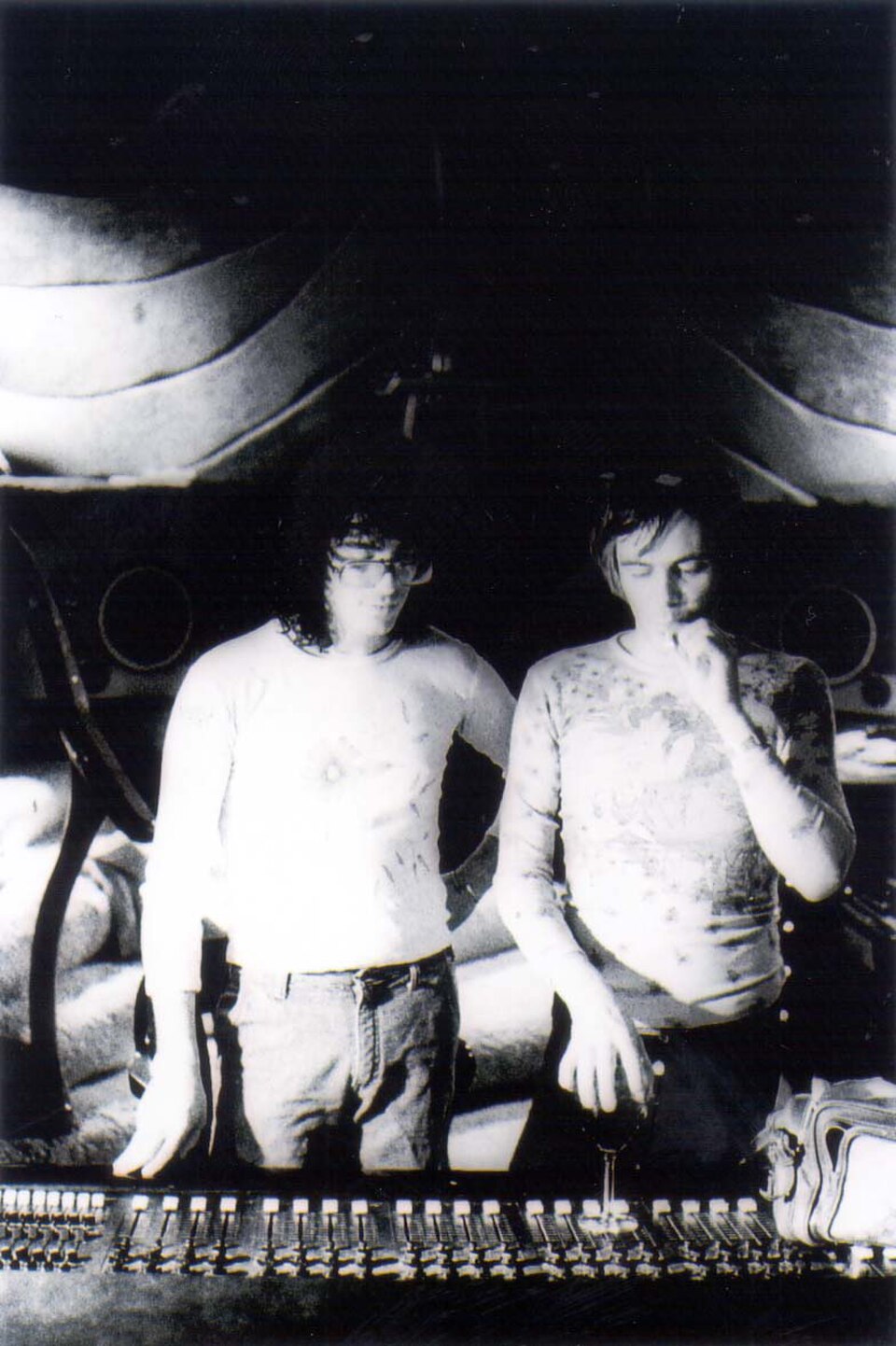
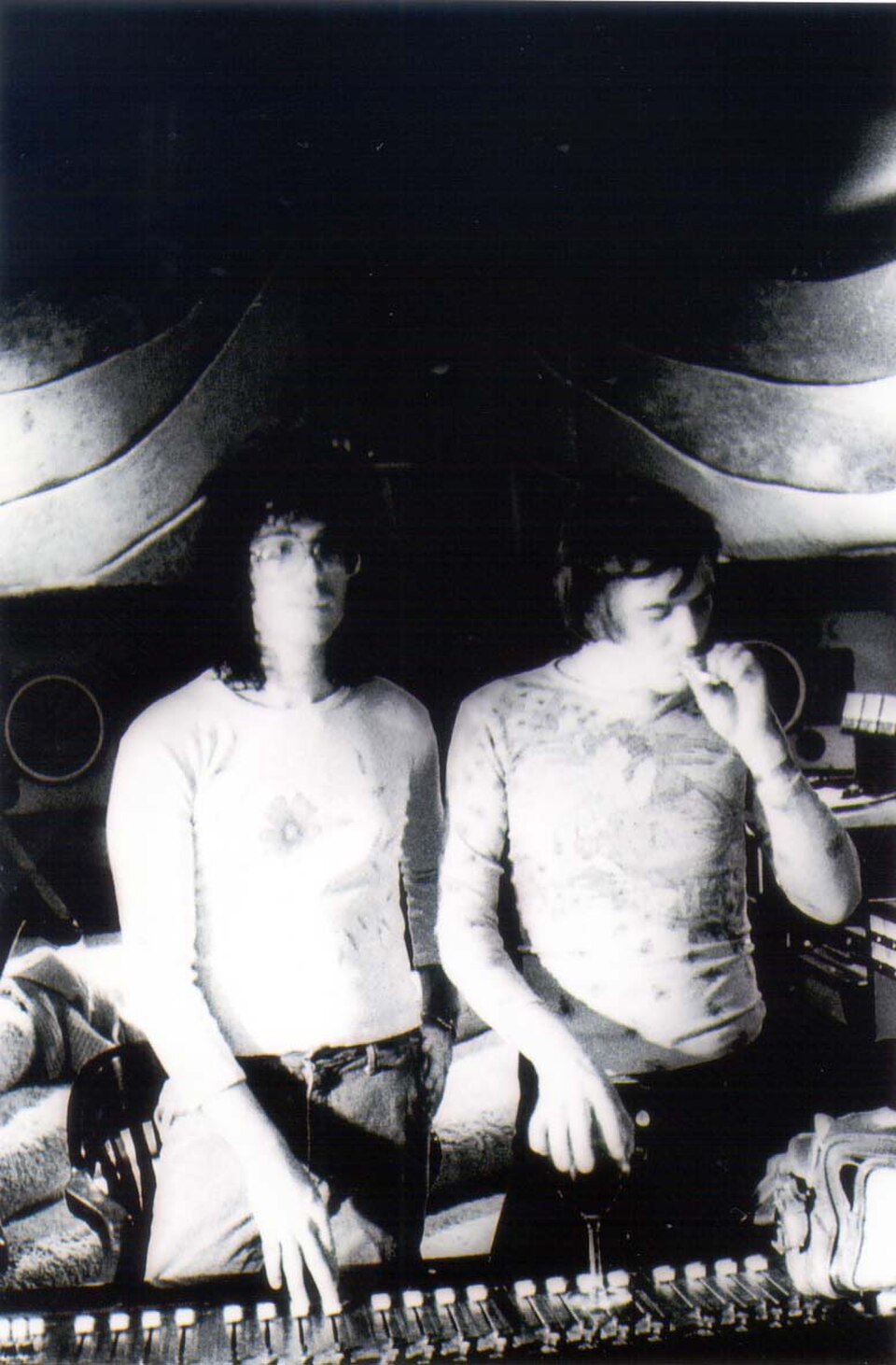
This is the story of the Record Plant Sausalito, the studio Gary Kellgren built at 2200 Bridgeway.
On October 28, 1972, Gary Kellgren threw a party at his new studio. John Lennon and Yoko Ono showed up dressed as trees. Nobody questioned the costumes, because the Record Plant was exactly that kind of place. Kellgren had designed a studio where the world's most famous musicians felt comfortable enough to be absurd. Most recording facilities made you feel like a patient awaiting test results. His made you feel like you'd never want to leave.
That was the whole idea, and it changed music forever.
From Iowa to the Top of the Eight-Track Board
Gary Wayne Kellgren was born April 7, 1939, in Shenandoah, Iowa. By the mid-1960s he was running a small dubbing studio around the corner from 1619 Broadway in Manhattan. That building, the Brill Building, was the center of the American songwriting trade. Carole King, Neil Diamond, and Paul Anka all cut demos at Kellgren's place. Neil Diamond would write five songs upstairs, run downstairs to Kellgren's studio, pay fifty dollars for thirty minutes of time, cut all five tunes backing himself on guitar, then run back upstairs and sell each demo for fifty dollars. The math worked out to two hundred dollars of profit per afternoon.
By 1967 Kellgren ran the console at Mayfair Studios on Seventh Avenue in Manhattan, the only professional eight-track facility in New York. Mayfair was technically excellent and aesthetically miserable, a place that functioned like a clinic. The lighting was fluorescent, the walls were white, and the air had the warmth of a hospital corridor. Engineers wore jackets and ties, sometimes actual lab coats. Musicians sat on folding chairs under acoustical tile ceilings.
The equipment was state of the art. The room was a waiting room.
Kellgren was already considered the king of that eight-track board, a title he'd earned through sessions with Jimi Hendrix, Frank Zappa, and the Velvet Underground. Hendrix had come to him through Tom Wilson, the legendary Black producer behind Dylan's electric turn, Simon & Garfunkel, and the Velvet Underground. Wilson loved Hendrix's playing and wanted to be involved with the Experience in some capacity. He brought Hendrix to Kellgren at Mayfair, and a working partnership was born. Gerry Stickell, the band's road manager, described Kellgren as “the American Eddie Kramer.”
Kellgren was technically exceptional. He also knew the room was wrong, and that it made the music worse in ways nobody could directly measure. He started thinking about what a studio could be instead.
The Partnership
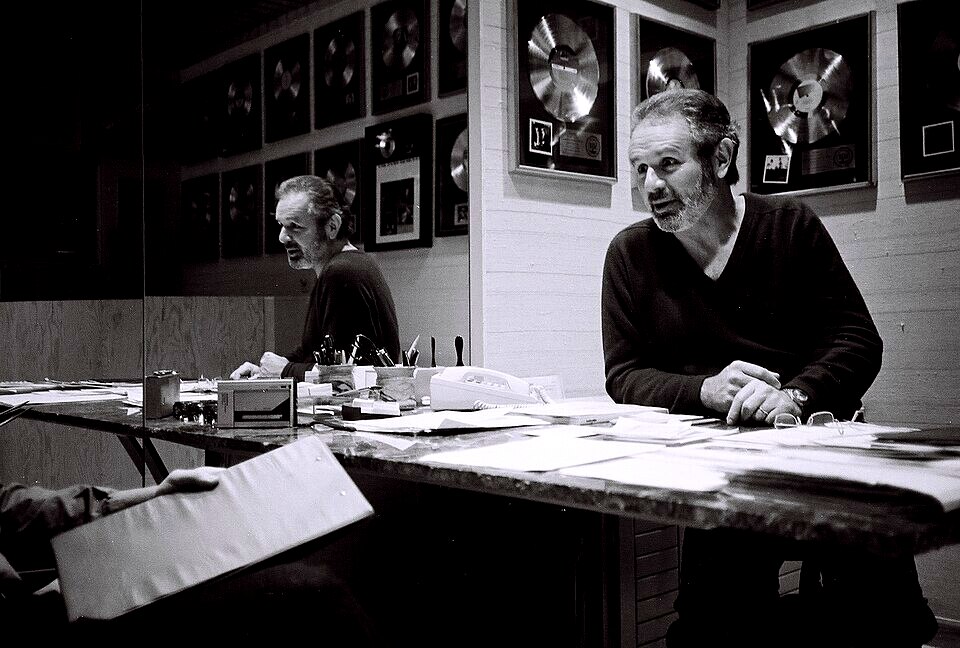
In late 1967, mutual friends introduced Kellgren to a businessman named Chris Stone. Both men's wives were pregnant, and the introduction was meant to ease Kellgren's wife Marta through her anxiety about the birth. Stone and Kellgren were, in Stone's own words, diametrically opposed in personality. Stone ran numbers. Kellgren ran on instinct and color and motion.
Tom Wilson helped Kellgren raise the money. A third partner completed the picture: Ancky Johnson, a Revlon heiress who provided the rest of the financial backing. Together they opened the first Record Plant on West 44th Street in Manhattan in March 1968. The building had previously been a hat factory. Kellgren tore out everything that looked like a studio and started over.
He installed a 12-track Scully recorder, one of the first in the world. He brought in color, texture, and furniture that felt like something you'd find in a well-lived-in home. He built the control room alongside acoustic engineer Tom Hidley and developed monitoring systems that didn't exist anywhere else. He invented something he called the jukebox, a monitor mixer he built to keep producers occupied at one console while he engineered at another. Every professional studio in the world has one now. The Record Plant New York was booked solid for three months before the doors opened.
Stone later described what Kellgren understood that nobody else in the business did yet.
"Gary decided that the most important thing was for the artist to think that he was in a living room. The greatest compliment that an artist could pay us was, 'Hey, man, I don't want to leave.'"
That single sentence defined an entire industry's future.
Jimi and the First Album
The Record Plant's first major album was Jimi Hendrix's Electric Ladyland, recorded through 1968.
Hendrix and Kellgren had worked together at Mayfair before the Record Plant existed. “The Burning of the Midnight Lamp,” the earliest Electric Ladyland track committed to tape, was recorded at Mayfair and featured the debut of a harpsichord on a Hendrix recording. When Kellgren opened the new studio at 44th Street, Hendrix followed without hesitation. Drummer Mitch Mitchell explained it plainly: they went to the Record Plant because Gary Kellgren had raised the money to start it, and Kellgren was who they trusted.
The studio was understaffed in those early months. Kellgren engineered Hendrix's sessions while simultaneously overseeing the construction of Studio B next door. Eddie Kramer, Hendrix's longtime engineer from London's Olympic Studios, joined the Record Plant staff on April 18, 1968, his arrival delayed by immigration paperwork.
The Electric Ladyland sessions ran across impossible stretches of time. Kellgren would work all night, eventually collapse on the studio couch, and Hendrix would still be standing at the speakers, staring through the haze. They'd sometimes run three or four days straight without stopping. Chris Stone said flatly: “About ninety percent of it was done in Studio A in New York with Gary and Jimi.”
The album still sounds like nothing else. Part of that belongs to Hendrix. A significant part belongs to Kellgren.
He was the first American engineer to use phasing, a technique that produces a jet-engine-like swirl in the audio signal. He improvised flanging using tape machine motors and masking tape, creating the psychedelic swooping effect that defined the era. Journalist Lucian Truscott IV wrote in 1977 that before Kellgren, recording had a one-dimensional quality. Kellgren ended that quality. He invented the third dimension.
When Hendrix died in September 1970, Kellgren turned over 80 master tapes to the Hendrix estate. The tapes contained 1,200 hours of Jimi jamming, captured during the Record Plant years. Without Kellgren's custodianship, almost none of that material would have survived.
Los Angeles and the Sunday Night Jams
In December 1969, Kellgren and Stone opened the Los Angeles Record Plant. The first major session was mixing the Woodstock soundtrack. The LA studio became a place where history kept happening in the background, quietly and constantly. It was where John Lennon and Paul McCartney played together in the same room for the last time, during an all-night jam in early 1974.
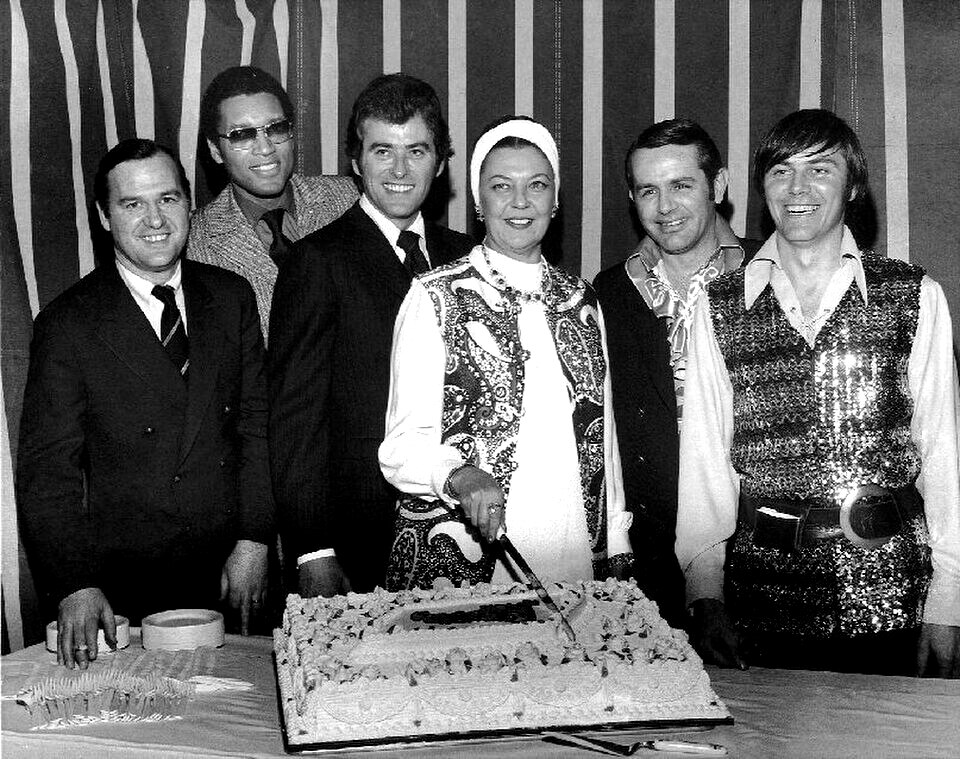
In March 1973, when the LA facility added a third studio, Kellgren started hosting informal Sunday night sessions. He named them the Jim Keltner Fan Club Hour, after his close friend and session drummer Jim Keltner. The sessions drew extraordinary players. Chris Stone described one Sunday that read like a Who's Who of rock and roll: Ringo Starr, John Lennon, Mick Jagger, Ronnie Wood, and Pete Townshend, all in the same room at the same time. Harrison liked the sessions enough to reference them on the back cover of Living in the Material World.
Then, in late December 1973, something happened that belongs in a category of its own.
Under John Lennon's leadership, a supergroup assembled in the studio that evening. Mick Jagger took the lead vocal on an extended blues number called “Too Many Cooks (Spoil the Soup).” Ringo Starr and Jim Keltner played drums. Jack Bruce played bass. Al Kooper played keyboards. Bobby Keys and Trevor Lawrence handled the horns. Jesse Ed Davis and Danny Kortchmar played guitar. Harry Nilsson sang background vocals. The room held more famous musicians than most record labels had under contract.
Jagger couldn't comfortably reach the top of his vocal range and grew frustrated with how the session was going. He started complaining. Kellgren told Jagger to sit on it. The complaints stopped.
The 16-track master tape of Too Many Cooks was never officially found. Bootleg recordings surfaced over the years. May Pang, Lennon's personal assistant and companion during his Lost Weekend period, eventually brought tapes to light that enabled the track's official release in 2007 on Jagger's Very Best Of. Producer Ed Freeman, who recorded Don McLean's “American Pie” at the Record Plant, put it simply:
"That was Gary Kellgren's baby. Those jams were his idea and he made them all happen."
The Sausalito Studio
The Record Plant Sausalito opened October 28, 1972. Kellgren and Stone built the third studio because California offered something neither New York nor Los Angeles could provide. The building at 2200 Bridgeway sat in Sausalito's industrial waterfront district, ten minutes from San Francisco by bridge, enclosed and specific and exactly right for what Kellgren had in mind.
He designed the rooms with the same philosophy he'd applied since Mayfair: everything for the artist, nothing for show. The Studio B ceiling was built to look like drifting clouds, cut-out plywood shapes covered in velveteen and suspended overhead. The conference room had a waterbed floor. Chefs worked on call around the clock. There was a hot tub. There was a houseboat nearby for artists who needed to sleep but didn't want to leave the property. The hourly rate in 1975 was $120, and artists booked for weeks at a time.
Engineer Jim Gaines later described his first meeting with Kellgren at the Sausalito studio. Kellgren showed up wearing a purple or blue Napoleon outfit, hat and all. Gaines almost turned down the job on the spot.
"It was all about a big party for him, as well as working. He seemed to put those two together. That's why the studio was built."
Kellgren drove a purple Rolls-Royce with the vanity plate GREED. Chris Stone's limousine plate read DEDUCT.
Kellgren also kept inventing inside the building. In 1975, while Bob Welch's post-Fleetwood Mac band Paris was tracking their debut album at the Sausalito studio, Kellgren wandered in for the weekend and stayed. Jimmy Robinson, the engineer on the record and one of Kellgren's earliest collaborators, described what happened next. They'd just finished a mix of a song called “I Almost Got Religion,” and they weren't satisfied. They wanted an infinite panning effect that would weave in and out of the mix without disturbing it. So they tried something nobody had done before. They wild-synced the stereo mix back onto the multi-track master and remixed the result. The sound moved, swirled, and flanged itself as it went. They named the technique Astro-mixing and used it as the closing effect on the track.
"Gary was one of the most creative and original engineers who ever touched a fader."
In late August 1975, Kellgren flew up from LA with Rolling Stones bassist Bill Wyman, who'd just finished a major tour. In the sunken area the engineers called the Pit, Wyman jammed with Van Morrison on saxophone, Joe Walsh on guitar, Leon Russell on piano, and the Tower of Power horn section. Wyman laid down his vocal tracks lying flat on his back with a bottle of brandy in his hand. Some of those recordings became his solo album Stone Alone. Kellgren described the Sausalito studio's console as being like a Ferrari: you had to know what you were doing to drive it.
The Peak
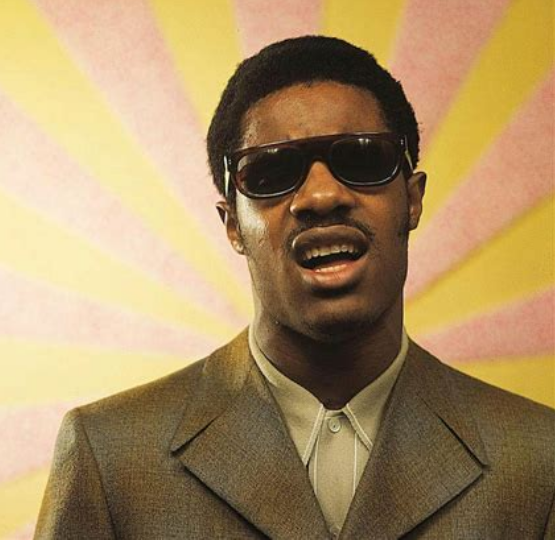
Stevie Wonder used the Sausalito studio across nearly two years to record Songs in the Key of Life. Studio B was built specifically around his sessions. The room's dry, controlled acoustic character shaped the sound of one of the most celebrated albums in history. You can hear Sausalito in every track.
In 1976, Fleetwood Mac ran more than 3,000 hours of recording sessions at the Plant for Rumours. The Eagles recorded Hotel California at the LA facility that same year. Three number-one albums emerged from the Record Plant network in a single calendar year, and that year belongs to Gary Kellgren as much as it belongs to anyone.
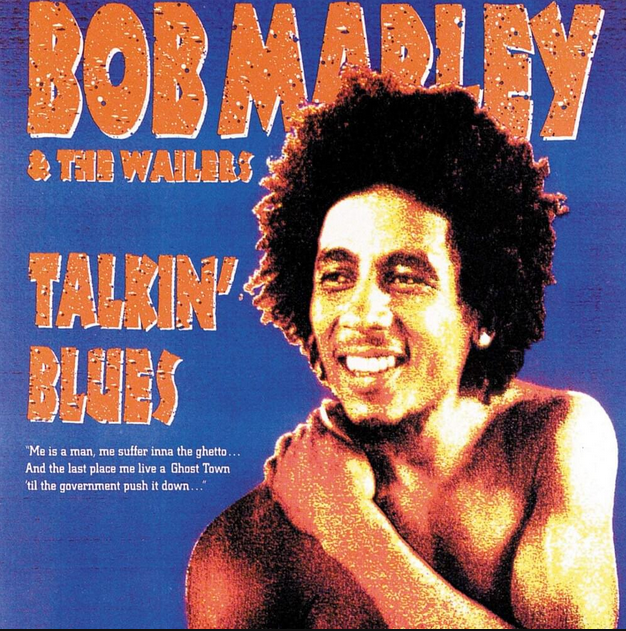
Kellgren also built the partnership with Bay Area radio station KSAN that produced the Live at the Record Plant broadcasts. Bob Marley's Talkin' Blues came from a closed KSAN session recorded live at the Sausalito building. The station's opening broadcast from the Plant ran for 72 hours straight. Raechel Donahue, who coordinated the KSAN concerts, said later that Kellgren was one of the only people in the business who'd figured out how to make a live studio broadcast actually work.
George Harrison sought Kellgren out specifically to record the Concert for Bangladesh. Kellgren recorded the Woodstock soundtrack. He captured the James Brown concert performed for the Muhammad Ali and George Foreman Rumble in the Jungle fight in Zaire in 1974. He recorded Velvet Underground sessions in 1969 that weren't released until 1985. He recorded Barbra Streisand, Paul Anka, Carole King, Ravi Shankar, CSNY, B.B. King, Keith Moon, Rod Stewart, and Neil Diamond. He contributed spoken dialogue to Frank Zappa's We're Only in It for the Money.
John Lennon left the New York Record Plant on the last night of his life and went home to the Dakota.
July 20, 1977
Gary Kellgren died on July 20, 1977. He was 38 years old.
He and his secretary, Kristianne Gaines, were found dead in the swimming pool at his Hollywood home on Miller Drive. A business associate was inside the house and called the police. He reported that Kellgren had recently come out of surgery and had been swimming in the deep end of the pool.
Kristianne Gaines was 34 years old. She could not swim. The last person to see her alive said she'd been sitting on a floating couch in the pool. The couch had overturned. Kellgren's wife Marta was upstairs in the house at the time.
Police ruled it a double accidental drowning and found no indication of foul play. Two days after the discovery, an investigator told reporters there was nothing to suggest anything other than an accident. Ronnie Wood offered a different account later in writing. He believed Kellgren had been attempting to fix underwater speakers in the pool and died from electric shock, and that Gaines drowned trying to reach him.
The 16-track master tape of Too Many Cooks was never found.
The music industry had lost the man most responsible for defining what a recording studio could feel like. He left no architectural manifesto. He left no published system. He left rooms.
What He Left Behind
Gary Kellgren never saw the Sausalito studio reach its full maturity. He died the year the building he'd built was just hitting its stride. He wasn't there in 1978 when Prince recorded his debut album For You at 2200 Bridgeway, playing nearly every instrument himself. He didn't see Huey Lewis record Sports there, or Metallica reshape the building for Load and ReLoad, or Santana record Supernatural.
He didn't see the federal government seize the studio and run it as an operating business after a subsequent owner's drug trafficking conviction. He didn't see the studio close in 2008. He never saw it reopen as 2200 Studios in 2024.
Kellgren had figured fame out long before he died. He'd described it to Lucian Truscott IV as a series of nested boxes. The biggest box held the fans, who spent their lives trying to break into the next box. That second box held the rock stars. But inside the second box was a third box, hidden from the fans entirely, and that third box held Kellgren himself. He'd sit there in the Rack Room at the LA Record Plant, on his back, waiting for the multi-button phone to buzz. Sooner or later one of the stars would call. They'd want a favor, want him to listen to a cut, want those Ears. They'd come to the Record Plant and pay for his marvelous machines. They'd pay for his Ears. He called it the true currency of celebrity cash.
Every principle that makes this building worth preserving traces back to Gary Kellgren. The idea that the room shapes the music. The idea that comfort and creativity reinforce each other. The idea that the best thing a studio can do is make the artist forget they're inside a studio. These weren't mission statements. Kellgren lived them. He fell asleep on the couch while Hendrix stared through the haze. He showed up to job interviews in Napoleon costumes. He built a Jacuzzi in 1969 because he wanted one and nobody stopped him. He drove a purple Rolls-Royce with GREED on the plate because the joke was accurate and he knew it.
Studio B at 2200 Bridgeway still has a ceiling designed to look like clouds. The Pit is still there. The acoustic character built to Kellgren's vision still defines what it sounds like to record in this building. Astro-mixing was invented in that room. So were a hundred other techniques nobody bothered to name.
The man who invented the room died before anyone could fully tell him what he'd built. The room is still here.