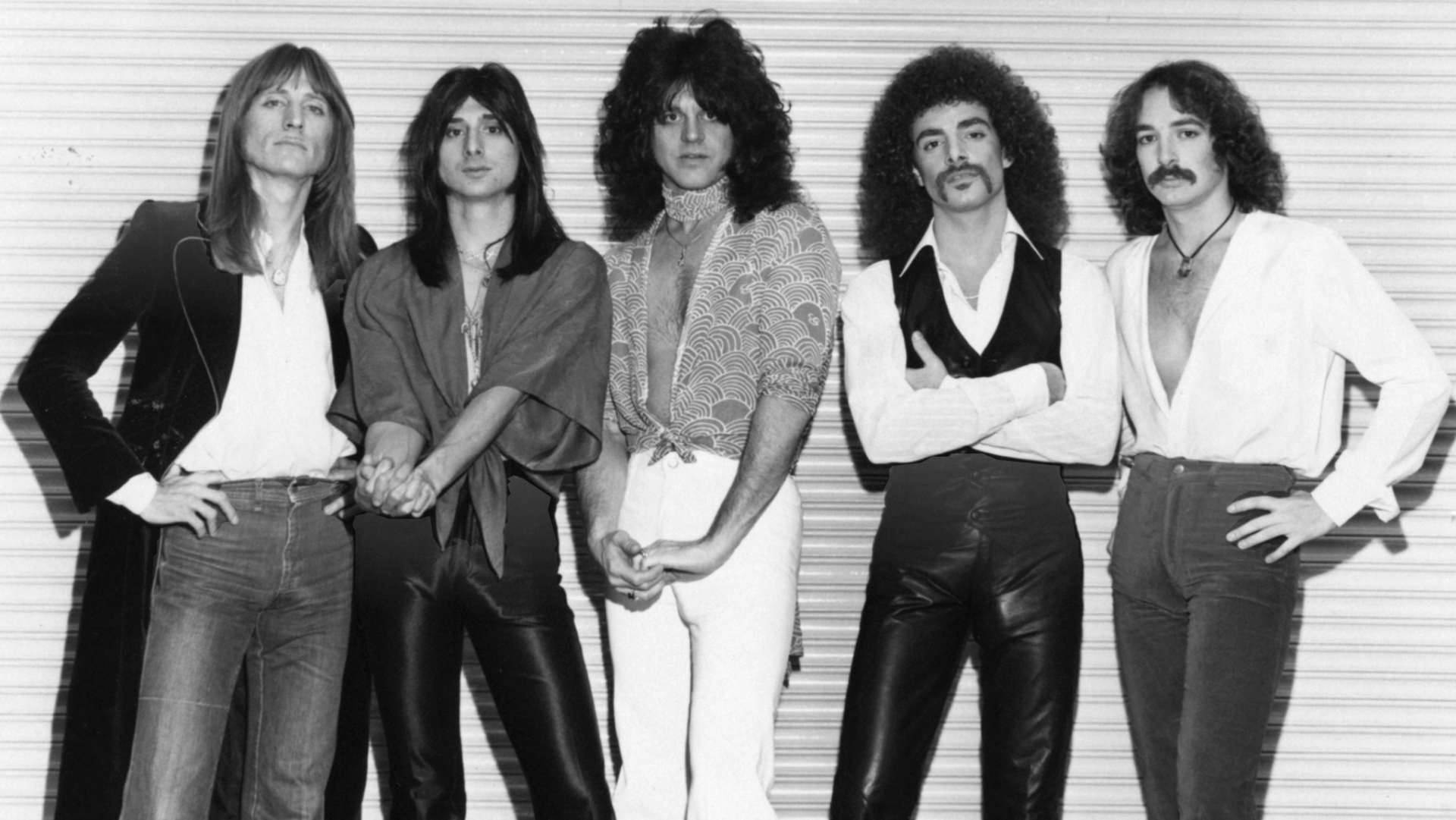
Journey at the Record Plant
The connection between Journey and Record Plant Sausalito is not incidental. Journey grew out of the same Bay Area music ecosystem that the Plant helped create — Neal Schon and Gregg Rolie came directly from Santana, and Santana was woven into the fabric of that studio from the beginning. Journey's two most documented sessions at the Plant bookend the studio's most turbulent decades: a 1985 recording that was interrupted by a federal raid, and a 2008 comeback album that became the band's biggest release in nearly 25 years.
The Environment
Founders Gary Kellgren and Chris Stone built the Sausalito studio in deliberate opposition to the corporate studio model. The place had a jacuzzi, guest houses in Mill Valley, organic-food chefs, waterbed floors, lounge spaces, and hallways designed to feel disorienting. Rick James lived in the conference room. Sly Stone had the doorknobs moved higher than standard. The Pit — the Studio A control room — put engineers below floor level, surrounded by a room that didn't feel like any other studio in the country.
The idea was that artists wouldn't simply rent time. They would inhabit the place. Marathon sessions at the Plant were less like studio bookings and more like extended residencies. Musicians ate there, slept there, and wandered between rooms between takes. That atmosphere shaped the recordings as much as the equipment did, and it's a direct line to why Journey's classic sound — spacious, warm, California — came out the way it did.
Club Fed
In 1985, Journey was at the Plant recording what would become Raised on Radio, their sixth studio album with Steve Perry. While sessions were underway alongside Heart and Starship, DEA and FBI agents raided the facility over allegations involving studio owner Stanley Jacox. Federal agents seized master tapes and equipment along with the building. Journey's sessions were among those interrupted mid-record.
The government operated the studio for fourteen months while it arranged a sale. The musicians who kept coming in to finish their records started calling it Club Fed. Journey's manager Herbie Herbert had tried to steer the band away from the Plant entirely, telling owner Arne Frager years later that he'd warned them they'd go there and waste money partying. They went anyway. The record came out in 1986 and went platinum.
Why It Fit
Journey's sound was built for large rooms. Live drums, layered vocals, long sessions, and a production approach that rewarded space rather than compression. The Plant gave them all of it, along with an environment that didn't put a clock on the creative process. The studio's technical capability and its deliberately unconventional atmosphere weren't in tension with each other — they worked together, and the records reflected it.
The connective tissue running through all of it is Santana. Neal Schon and Gregg Rolie came directly from Santana's band. Santana recorded at the Plant from its first year. The same engineers, producers, and Bay Area relationships kept these artists in overlapping orbits throughout the 1970s and into the 1980s. The Plant wasn't just a studio for Journey. It was the room their musical lineage had already claimed.
A Companion Story
Journey shared Studio A with another act whose name is fused to the room's most famous physical feature: in the 1990s, Metallica and Bob Rock raised the roof to 32 feet. That's a separate story, told separately. For Journey, the room they used was the room as Kellgren and Stone built it — and that was already enough.
What Remains
In 2007, Journey came back to the Plant under circumstances nobody had predicted. A decade without a hit. A new lead singer, Arnel Pineda, discovered by Neal Schon on YouTube. The band booked the Plant and spent three months recording what became Revelation, a double album of new songs and re-recorded classics. Engineer John Neff described the sessions plainly: the energy level was unbelievable, and nobody had expected them to come in with such intensity. The record was certified platinum and became Journey's biggest release in nearly 25 years.
The studio is now 2200 Studios. The 32-foot ceiling is still there. Studio B is essentially unchanged since 1972. The non-corporate atmosphere — the kitchen, the lounge, the sense that the place is meant to be inhabited rather than simply rented — is still the operating philosophy.
Journey recorded their worst moment here and their best comeback here. The room held both.
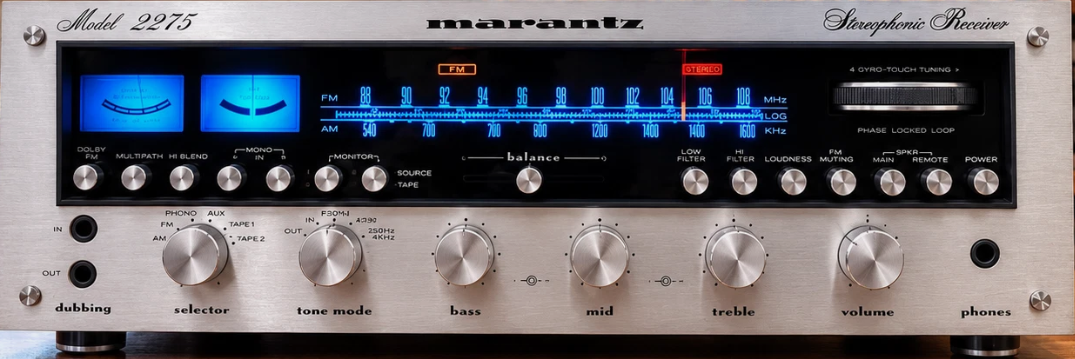
Plant Radio is dialed to stream 64 historic KSAN and KFOG broadcasts like Steve Miller, Fleetwood Mac, Bob Marley, Bonnie Raitt, Journey, Jerry Garcia, and many more surprises.
Turn on the radio